Burn Injuries from Car Accidents in Arizona: What Compensation Can You Recover?
Car accidents can cause severe burn injuries that change lives in an instant. These injuries might happen when vehicles catch fire, airbags explode, or someone comes into contact with hot engine parts or even the road itself. Burn injury victims in Arizona can recover compensation for medical expenses, lost wages, pain and suffering, and other damages through personal injury claims, with no caps on the amount they can receive in negligence cases.
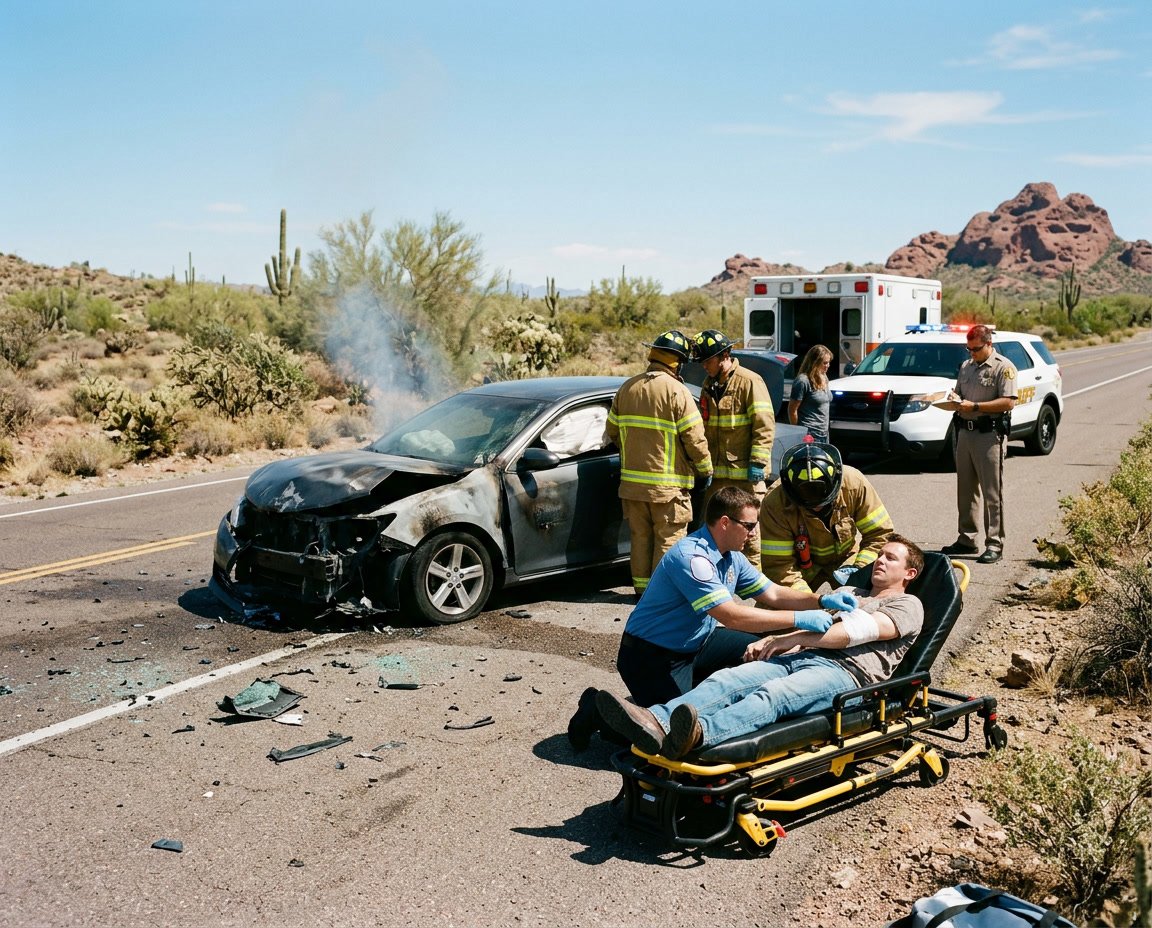
The aftermath of a burn injury goes way beyond physical wounds. Victims often face expensive treatments, multiple surgeries, permanent scarring, and months—sometimes years—of recovery. And let’s be honest, the emotional toll and financial stress can be overwhelming.
Arizona law gives burn injury victims a few different ways to seek compensation, depending on how the accident happened. So, what kinds of burns happen in car accidents? How do you prove who was at fault? What damages are actually available? And how do you file a claim that protects your rights and gets you fair payment for your losses?
Understanding Burn Injuries from Car Accidents
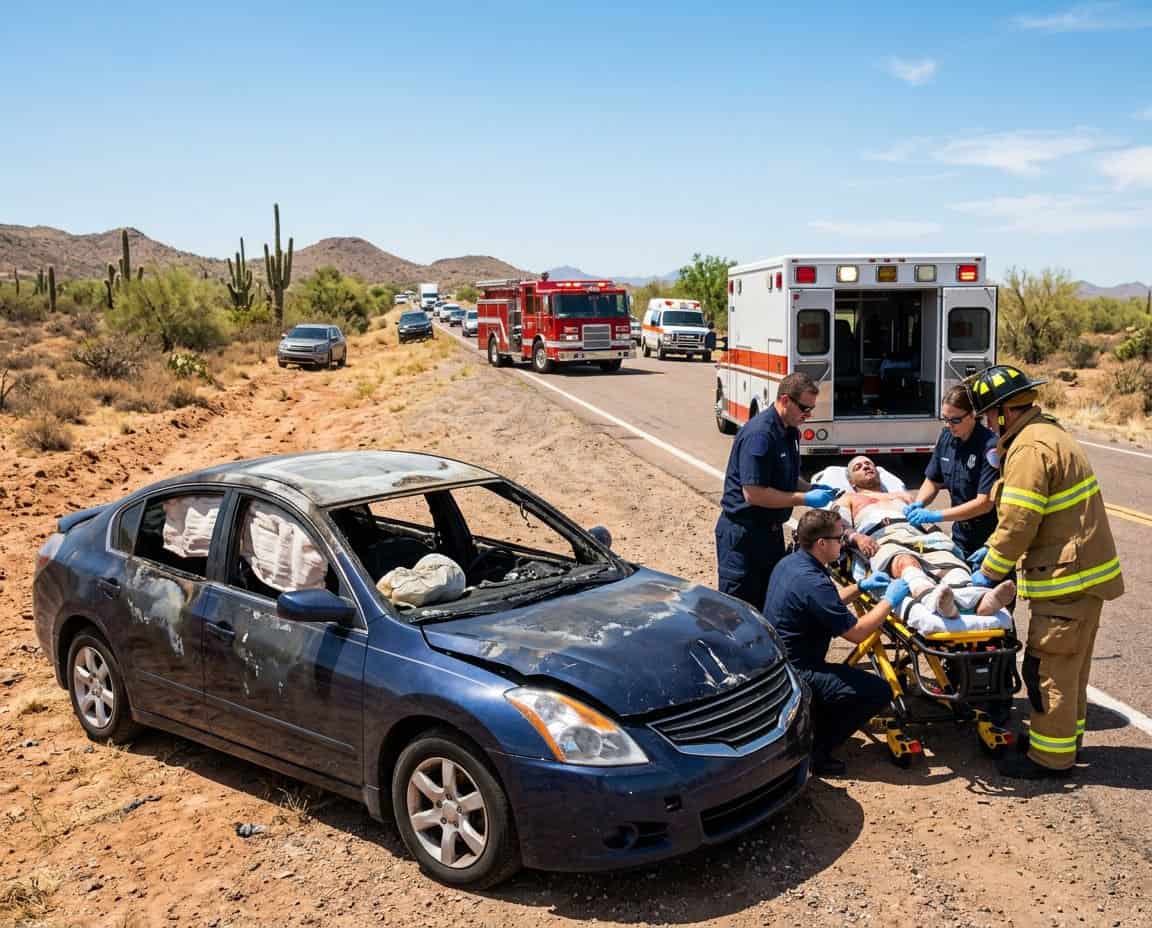
Car accidents can lead to burn injuries in a bunch of ways, from fuel ignition to chemical exposure. These injuries might be as minor as a first-degree burn or as devastating as a third-degree burn that destroys several layers of tissue and requires major medical care.
How Burn Injuries Happen in Vehicle Crashes
Vehicle fires are probably the most common culprit. A crash can rupture a fuel tank or damage fuel lines, and then a stray spark—maybe from metal scraping or an electrical failure—can set everything off.
Sometimes, it’s not fire but heat. If you’re trapped against a hot engine part, radiators, exhaust systems, or engine blocks (which can easily hit 200+ degrees Fahrenheit), you can get burned pretty quickly.
Chemical burns are another risk. These happen if battery acid leaks after a crash or if an airbag goes off and releases hot chemical compounds. Airbag chemicals, for example, can hit 300 degrees during inflation.
Then there are electrical burns, which can occur when damaged wiring or battery systems create arcs. Modern cars, especially hybrids and electrics, have some serious voltage running through them.
And don’t forget friction burns—road rash—from being thrown from a vehicle or sliding along the pavement.
Types of Burn Injuries in Car Accidents
Thermal burns are from flames, hot surfaces, or steam—pretty much anything that transfers heat directly to the skin. Most car accident burns fall into this category.
Electrical burns come from contact with live wires or damaged electrical components. These can be sneaky because the current can damage tissue deep inside, not just on the surface.
Chemical burns are caused by things like battery acid, coolant, or the chemicals in airbags. These burns can keep damaging tissue until the chemical is fully removed.
Friction burns are just what they sound like—skin scraping against rough surfaces at speed. The heat and the abrasion combine to do some real damage.
Severity Levels: First, Second, and Third-Degree Burns
First-degree burns just affect the outer layer of skin—redness, mild pain, some swelling. They usually heal up in a week or so without leaving scars.
Second-degree burns go deeper, into the dermis. You’ll see blisters, redness, swelling, and sometimes clear fluid. These hurt—a lot—and can leave scars, especially if they cover a lot of skin.
Third-degree burns are the worst. They destroy all layers of skin and sometimes damage fat, muscle, or even bone. The area might look white, brown, or charred, and oddly, it might not hurt as much at first because the nerves are fried. These always need emergency medical care and usually require surgery and skin grafts. Scarring and loss of mobility are common, and infection risk is high.
Burns on the face, hands, feet, groin, or joints? Those always need immediate medical attention, no matter how deep they are.
Common Causes of Burn Injuries in Arizona Car Accidents
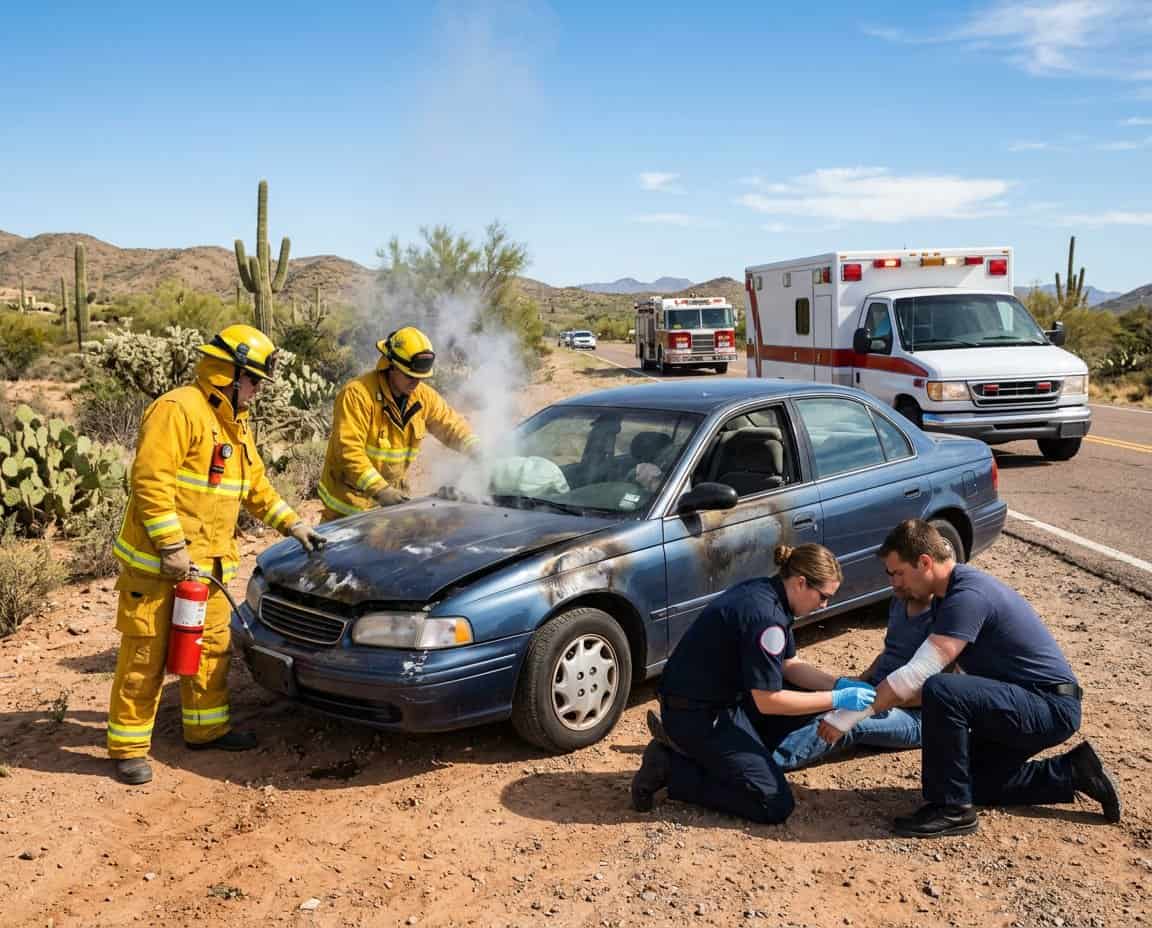
Arizona car accidents can cause bad burns in a handful of ways—fuel ignition, electrical failures, and sometimes even manufacturing defects. Knowing the cause helps victims figure out who’s responsible and how to build a case.
Vehicle Fires and Explosions
Vehicle fires are probably the scariest. When a fuel tank ruptures in a collision, gasoline can leak out and ignite on hot engine parts or from a spark. High-speed crashes? The risk of explosion goes way up.
Electrical system failures can also start fires. Damaged or exposed wiring after a crash might spark and ignite something inside the car. Sometimes, engine parts just overheat enough to start a fire, even if there’s no fuel leak.
People trapped inside a burning vehicle are at the highest risk for serious burns. The heat from these fires can cause third-degree burns in seconds. Recovery is long and often means multiple surgeries and specialized care at places like the Arizona Burn Center.
Electrical and Chemical Source Burns
Electrical burns happen if the car’s battery is damaged or the wiring shorts out. Battery acid can cause chemical burns that keep eating away at tissue until they’re treated. These aren’t always obvious right away and need a different kind of treatment than heat burns.
Airbags can also cause burns, believe it or not. The chemicals that inflate them get hot and sometimes cause friction burns on your face, arms, or chest. Usually not as bad as fire burns, but still not something you want to ignore.
Hot metal and steam from busted radiators are another hazard. If you’re trying to get out of a car right after a crash, you might touch something that’s way hotter than you expect.
Defective Auto Parts and Product Liability Claims
Sometimes, the car itself is to blame. Faulty fuel tank designs or poor placement can make fires more likely in a crash, opening the door to product liability claims against the manufacturer. Gas tanks have to meet safety standards for a reason.
Defective electrical systems—bad wiring, poorly designed battery housings—can cause fires all on their own, even without a crash. A good burn accident lawyer can dig into whether a defect played a role. These cases usually need experts to explain what went wrong inside the car.
Even seatbelt pretensioners and airbag inflators can cause burns if they malfunction. If safety devices fail and you get burned, you might have a claim against the manufacturer, separate from any claim against another driver.
Medical Treatment and Long-Term Effects
Burn injuries from car accidents usually mean immediate medical attention and, honestly, a long road to recovery. The worse the burn, the more complicated and expensive the treatment.
Emergency Care and Burn Diagnosis
Doctors classify burns by depth—first, second, or third-degree. First-degree is superficial, second-degree is deeper with blisters and pain, and third-degree destroys multiple layers and sometimes nerves, fat, and muscle.
First responders will cool the burn and stabilize you. In the ER, doctors check how much of your body is burned and how deep it goes. They’ll also look for smoke inhalation and treat fluid loss right away.
Severe burns can cause the body to lose fluids fast. That can lead to shock and organ failure if not treated, so IV fluids are standard. Infection is a huge risk early on.
Skin Grafts and Surgical Procedures
If you’ve got third-degree burns, you’re probably looking at skin grafts. Surgeons take healthy skin from elsewhere and transplant it to the burned area. Sometimes, this happens more than once over several months.
Recovery means a lot of wound cleaning, dressing changes, and early physical therapy to keep scar tissue from freezing up your joints. Reconstructive surgery might be needed to restore function or appearance.
Medical bills add up fast. Hospital stays for severe burns can last weeks or months, and that’s just the start. You’re looking at:
- Multiple surgeries
- Pain meds
- Wound care supplies
- Physical therapy
- Lots of follow-up visits, sometimes for years
Physical and Psychological Trauma
Burn survivors often deal with chronic pain that doesn’t really go away. Nerve damage can mean sensitivity or numbness. Scar tissue can make it tough to move and requires constant stretching.
The mental side is brutal, too. Anxiety, depression, PTSD—these are all common. Visible scars can make people withdraw and avoid social situations.
A lot of patients need counseling along with physical rehab. Support groups can help, but full recovery takes time, patience, and a lot of support from loved ones and professionals.
Legal Rights and Establishing Liability
If you’ve suffered burn injuries in an Arizona car crash, you’ve got legal options. The path you take depends on who was responsible and what actually caused your injuries. The key is proving that someone else’s carelessness—or a defective product—caused your burns.
Negligence and Duty of Care
To win a burn injury lawsuit in Arizona, you need to prove four things. First, the at-fault driver owed you a duty of care (which, let’s face it, every driver does). Second, they breached that duty—maybe by speeding, running a red, or texting while driving.
Third, you have to show that their actions directly caused the crash and your burns. And finally, you need to prove you suffered real damages: medical bills, lost wages, scarring, whatever the case may be.
Arizona uses comparative negligence. If you’re partly at fault, your compensation gets reduced by your percentage of responsibility. So if you’re 20% to blame, you get 80% of the total damages.
Evidence Collection and Accident Investigation
Evidence is everything. Photos of the scene, the vehicles, and your injuries help tell the story. Police reports are crucial—they usually spell out who broke the rules.
Medical records tie your burns to the accident and show how serious they are. Witnesses can back up your account of what happened.
A burn injury lawyer might bring in accident reconstruction pros. These folks look at skid marks, damage patterns, and road conditions to figure out who was really at fault. They can also spot if a vehicle defect played a role.
Product and Premises Liability
If a defective car part caused your burns, the manufacturer could be on the hook. Faulty fuel systems, bad batteries, or airbags that explode too forcefully can all lead to fires. In these cases, you don’t have to prove negligence—just that the product was defective and it caused your injury.
Sometimes, the property owner where the accident happened shares blame—maybe for bad road maintenance or other hazards. A good burn injury attorney will look at everyone who might be responsible. Arizona law lets you go after all the parties at fault to maximize what you can recover.
Compensation Available for Burn Injury Victims
Burn injury victims in Arizona can seek several types of compensation through a burn injury claim. How much you get depends on how severe the burns are, what kind of treatment you need, and how the injuries affect your life and ability to work.
Medical Expenses and Rehabilitation Costs
Medical bills are usually the biggest part of a burn injury lawsuit. This covers ER visits, hospital stays, and specialized burn care. Costs can range from $10,000 to well over $125,000, depending on how bad the burns are.
You can also claim expenses for skin grafts, reconstructive surgery, pain meds, and wound care supplies.
Future medical costs matter, too. Many burns need ongoing treatment long after the accident—think physical therapy, occupational therapy, and more surgeries as time goes on.
Rehab costs can include inpatient or outpatient care, assistive devices, home modifications, and psychological counseling for trauma.
Lost Income and Future Earnings
Burn victims can seek compensation for lost wages while they’re recovering. This covers time away from work for hospital stays, doctor visits, and rehab.
Serious burns often make it tough—or even impossible—for folks to return to their old jobs. Second, third, and fourth-degree burns can cause long-term disabilities that limit what someone can physically do. If a person can’t handle their previous work anymore, they may have a claim for reduced earning capacity.
Figuring out future lost earnings isn’t simple. It usually means weighing the victim’s age, job history, education, and what their career path might’ve looked like. Experts often get involved to crunch the numbers and estimate long-term losses. It’s important to have proof of current salary, benefits, and any advancement opportunities that the injury messed with.
Pain, Suffering, and Emotional Damages
Not every loss comes with a price tag you can stick on a bill. Physical pain from burns and the endless medical procedures? That’s compensable, too. Visible scarring or disfigurement, especially on the face or hands, can really bump up award amounts.
The emotional fallout from burn injuries can run deep. Anxiety, depression, PTSD—these are all common. It’s not just about the physical pain; the psychological toll matters and should be considered in a burn injury lawsuit.
Losing the ability to enjoy life—whether it’s hobbies, sports, socializing, or family activities—can be devastating. Severe burns sometimes shorten life expectancy, and that factors into total compensation amounts.
Filing a Burn Injury Claim in Arizona
If you’ve suffered burn injuries from a car accident, it’s important to act quickly to protect your rights and have a shot at fair compensation. Arizona law has tight deadlines, and what you do right after the accident can really affect your case.
Steps to Take After a Burn Accident
Getting medical care right away is crucial after a car accident burn. Burns need urgent treatment to prevent infection and keep long-term damage to a minimum. Waiting too long can make things worse—and it doesn’t help when you have to prove how bad the injury is.
It’s a good idea to document everything: snap photos of the scene, your injuries, and any damaged vehicles. Hold onto burned clothing or anything else affected by the fire—they can be useful evidence. If anyone saw what happened, try to get their names and contact info.
Filing a police report creates an official record, which often ends up being important for your claim. Letting your insurance company know about the accident is necessary, but don’t give too many details until you’ve talked to a lawyer.
Stick to your doctor’s treatment plan. Skipping appointments or ignoring medical advice can make it look like your injuries aren’t serious. Insurance companies will jump at any reason to pay less, and gaps in your treatment give them ammo to argue against you.
Role of Experienced Burn Injury Attorneys
A Phoenix burn injury lawyer can help you navigate the maze of the claims process while you focus on healing. They’ll dig into the details of the accident, figure out who’s at fault, gather evidence, talk to witnesses, and bring in experts when needed.
Dealing with insurance companies is a headache—adjusters often push for low settlements or try to get you to say something that hurts your claim. Having a burn accident lawyer in your corner helps protect you from these tactics.
Getting fair compensation means looking at both current and future costs. A burn injury attorney will consider medical bills, lost income, pain and suffering, and any long-term care you might need. They’ll also look for all possible sources of compensation, like multiple insurance policies or other liable parties.
If negotiations don’t work out, experienced burn injury attorneys aren’t afraid to take the case to trial. They’ll present your evidence and fight for maximum compensation in court.
Statute of Limitations and Legal Deadlines
In Arizona, you’ve got 2 years from the date of the car accident to file a burn injury claim. Miss that window and you’re out of luck—there’s usually no way around it.
Getting started early is smart. Evidence disappears, memories fade, and accident scenes change. The sooner a Phoenix burn injury lawyer is on it, the better chance you have of building a strong case.
Some situations have even tighter deadlines. If you’re filing against a government entity, you only have 180 days to submit a notice of claim. Waiting too long to talk to a lawyer can close doors before you even realize it.
Special Considerations: Work-Related and Apartment Fire Burns
Sometimes burn injuries from car accidents overlap with work incidents or apartment fires, and that can make things more complicated. These cases might involve different rules about liability and open up other ways to seek compensation beyond just auto insurance.
Workplace Burn Injury Claims
Work-related burns can happen when someone’s driving a company vehicle or using equipment on the job. Construction workers, delivery drivers, and field techs are especially at risk for burns—thermal or chemical—while doing their day-to-day tasks.
Most Arizona employers are required to carry workers’ compensation insurance. This usually covers medical treatment and part of lost wages, no matter who was at fault. There’s no need to prove negligence to get these benefits.
But workers’ comp doesn’t cover everything. If someone else caused the burn injury, you can file a separate personal injury lawsuit. For example, if a delivery driver is burned in a crash caused by another driver, they can get workers’ comp from their employer and also sue the at-fault driver for pain and suffering.
Chemical burns at work bring extra challenges. Employers are supposed to keep things safe and provide the right protective gear. If they don’t, it can make your legal case stronger.
Apartment and Building Fire Liability
Burns from apartment fires often trace back to landlord negligence or building code problems. Property owners have to make sure smoke detectors, fire extinguishers, and escape routes are all in good working order.
If a fire starts because of bad wiring, a broken heater, or hazards the landlord ignored, they might be on the hook for your injuries. Victims can seek compensation for medical bills, lost wages, and emotional distress.
Building owners also need to keep common areas safe. Blocked exits, missing fire alarms, or broken sprinkler systems can all add up to more liability if a fire happens.
Workers’ Compensation and Additional Remedies
Workers’ comp pays for immediate medical bills and some lost wages, but it doesn’t cover everything—like pain, suffering, or permanent disfigurement. For that, you’d need to file a separate legal claim.
Arizona lets injured workers file third-party claims if someone other than their employer caused the injury. Say a defective work vehicle catches fire—a lawsuit against the manufacturer could be in order.
Reporting burn injuries right away and keeping track of all medical treatment helps make your case stronger, whether it’s for workers’ comp or a third-party claim. A good lawyer can help you find all the ways to get compensated and make sure you don’t leave money on the table.
Choosing the Right Arizona Burn Injury Lawyer
Finding the right lawyer after a burn injury can really affect your outcome. You want someone who’s handled burn cases before and knows Arizona’s compensation laws inside and out.
Qualities to Look for in a Burn Injury Attorney
A solid burn injury lawyer should have real experience with these cases. Burns are complicated—they involve tricky medical evidence and long-term care issues that most other injuries just don’t.
It’s helpful if the attorney understands burn treatment and how recovery works over time. Some lawyers even have medical backgrounds, which can be a big plus when explaining your injuries to insurance adjusters or juries. This kind of know-how is crucial when it comes to estimating future medical costs.
Good communication is key. The lawyer should break things down in plain English and actually get back to you when you have questions. Nobody wants to be left in the dark or buried in legal jargon.
Look for an attorney who works on a contingency fee basis. That means you don’t pay anything upfront, and only owe fees if you win. It takes the pressure off when you’re already dealing with so much.
Benefits of Local Expertise in Phoenix
A Phoenix burn injury attorney knows the ins and outs of Arizona’s personal injury laws. Every state’s a little different when it comes to deadlines and what damages you can recover.
Local lawyers have connections with Phoenix-area medical experts who can testify about burn care and future needs. These relationships help build a stronger case, since experts can explain just how serious your injuries are.
Phoenix attorneys also know the local courts, judges, and insurance companies. They understand what arguments work in Arizona courtrooms and how to negotiate with insurers that operate here.
And honestly, it’s just easier when your lawyer’s nearby—they can meet you in person, check out accident scenes, and stay on top of your case. That kind of accessibility makes a difference when you’re going through something this tough.
How Attorneys Maximize Burn Injury Compensation
Phoenix burn injury lawyers dig into every possible source of compensation, not just the obvious ones. They’ll look at anyone who might’ve played a part—sometimes it’s a careless property owner, other times it’s a manufacturer whose product went sideways.
When it comes to damages, attorneys don’t just stop at the hospital bill. There’s a whole mess of future costs—surgeries, skin grafts, therapy, counseling—that can pile up for years. Not to mention lost paychecks and the possibility that someone can’t work like they used to.
Lawyers jump on evidence right away, before it has a chance to disappear or get muddled. They might call in fire investigators or accident reconstruction folks to nail down what actually happened.
And then there’s the insurance companies, who love to come in with those “take it or leave it” low offers. A seasoned attorney knows the real value of a burn injury case and won’t just roll over. If the insurance folks won’t budge, they’re ready to take it to trial.