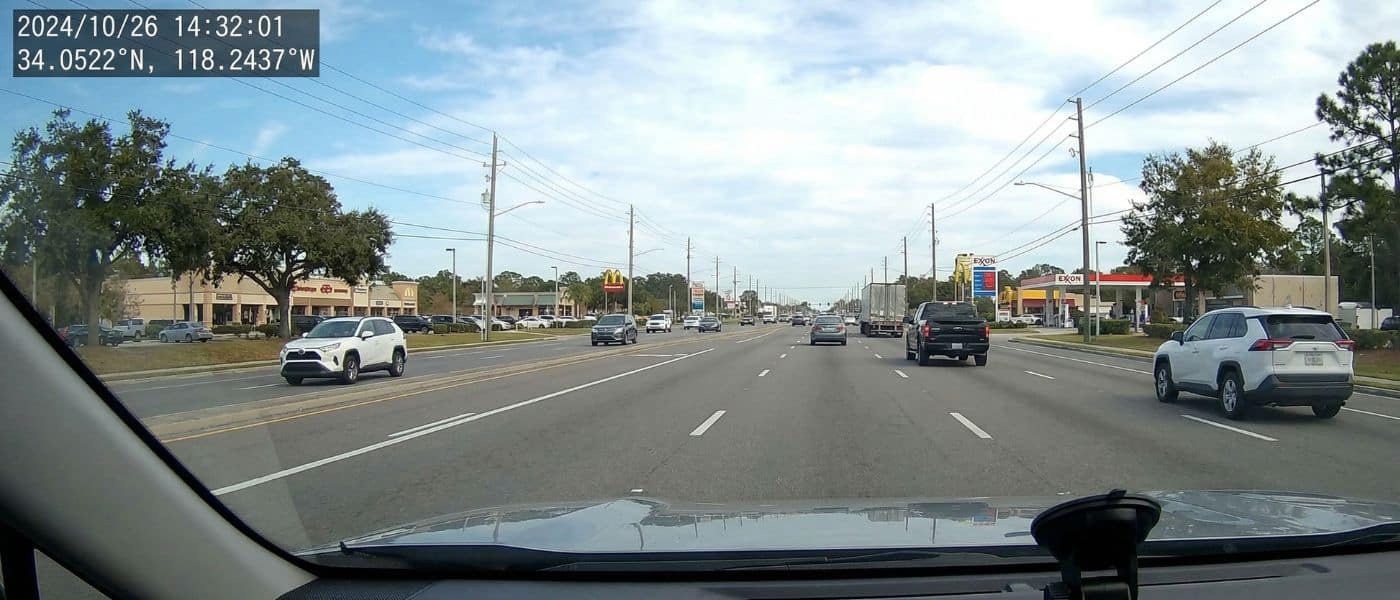
How Dash Cam Evidence Can Strengthen Your Colorado Car Accident Case
Car accidents happen fast, and figuring out who’s really at fault can be a mess—especially when people’s stories don’t line up. Dash cam footage gives you that rare, unbiased look at what actually happened in a Colorado car accident, and can be a game-changer for anyone trying to get fair compensation. These small cameras just sit on your dash, quietly recording everything on the road, so there’s a literal record for insurance companies and courts to check.
In Colorado, as long as your dash cam isn’t blocking your view, you’re good to go. If you’re in a crash, the footage can show exactly what led up to it and who did what. It’s the kind of proof that can back up (or challenge) witness statements and fill in the blanks when there’s not much else to go on.
Knowing how to use dash cam evidence the right way is crucial. There are some legal hoops to jump through—like making sure the footage is admissible and keeping it preserved the right way. If you’re ever in a wreck, it’s worth understanding how this tech fits into Colorado’s legal system and when it’s actually going to help your case.
The Importance of Dash Cam Evidence in Colorado Car Accident Cases
Dash cam footage is a big deal in Colorado accident cases because it’s objective—just cold, hard video. It can nail down fault, shut down bogus claims, and really help when there’s not much else to go on.
How Dash Cam Footage Clarifies Incident Details
A dash cam records what’s happening, minus the foggy memories or bias you sometimes get from people. You get details like speed, traffic lights, lane positions, and even what drivers were up to right before the crash. That stuff can settle a lot of arguments about what actually went down.
It’s not just about the cars, either. Weather, road hazards, lousy visibility—they all show up on camera. Sometimes, that explains why someone reacted a certain way (or didn’t). If nobody saw the accident or witnesses disagree, the video can be the missing puzzle piece.
And then there’s the timestamp. You can break down the footage frame by frame, seeing exactly how things unfolded. That level of detail? Pretty rare with other kinds of evidence.
Proving Liability and Negligence With Video Evidence
Dash cams catch people in the act—running lights, making illegal turns, texting behind the wheel, tailgating, you name it.
Since Colorado uses a fault-based insurance system, proving the other driver was careless is everything. Video proof of traffic violations or reckless moves is tough to argue with compared to just swapping stories.
If the insurance company tries to pin the blame on you, dash cam footage can set the record straight. It’s the kind of evidence that can really protect you from being unfairly blamed.
Impact on Insurance Claims and Compensation
Insurance adjusters have to take dash cam footage seriously when it clearly shows what happened. Video evidence can clear up a lot of the “he said, she said,” and that often means claims get settled faster. If the camera catches the other driver red-handed, the insurance company doesn’t have much room to wiggle out of paying.
Having dash cam evidence usually means you’ll get a fairer shake when it comes to compensation. The footage helps make sure injuries and damages aren’t downplayed just because the facts are fuzzy. It backs up your claims for medical bills, lost pay, and car repairs.
But, there are rules—your footage has to be legit and handled right. Don’t mess with the original file. Save it as soon as you can, and let your attorney take it from there.
Admissibility and Legal Requirements for Dash Cam Evidence in Colorado
Courts in Colorado will consider dash cam footage if it’s authentic, relevant, and doesn’t break privacy laws. The footage has to be preserved properly, actually matter to the case, and—if there’s audio—follow the state’s one-party consent rules.
Authentication and Chain of Custody Standards
To get dash cam footage admitted as evidence, you have to show it hasn’t been tampered with. Usually, whoever installed or maintains the camera needs to vouch for it. That’s how you prove it’s a true record of what happened.
Chain of custody is a big deal too. You need to keep track of who handled the footage, when, and how it was stored. If there’s a gap or something looks fishy, people might question if the footage is legit.
Don’t delete anything, even if it makes you look bad. Destroying evidence can land you in hot water. A car accident attorney can walk you through all this so you don’t accidentally mess up your own case.
Relevance and Reliability in Court Proceedings
Judges want to know if the dash cam footage actually helps clarify the facts of the accident. The video needs to show something important—like the sequence of events or what the drivers were doing. Footage that clearly captures the lead-up and the crash itself usually does the trick.
Dash cam evidence is especially valuable in Colorado’s fault-based system because it can cut through conflicting stories. For hit-and-runs, video that gets a license plate or a good look at the other car can be huge, as long as it’s clear and unedited.
Understanding Legal and Privacy Considerations
Colorado’s one-party consent law means you need at least one person in the conversation to agree to being recorded if there’s audio. Dash cams that record sound without someone’s okay could break wiretapping laws (see Colorado Revised Statutes § 18-9-303). Video-only recording is less restricted—there aren’t really laws against filming in your own car.
If you misuse dash cam recordings, there are real consequences. Recording private conversations without consent is a Class 1 misdemeanor, and you could be looking at jail time and fines. There’s also the risk of civil lawsuits if someone sues over their privacy.
Uploading dash cam footage online without everyone’s permission? That could get you in even more trouble. Talk to a lawyer before sharing anything just to be safe.
How Dash Cam Evidence Supports Fault and Comparative Negligence Determinations
Dash cam footage can show, in black and white, who caused an accident and how much each driver contributed. That’s a big deal under Colorado’s modified comparative negligence law, where your compensation depends on your percentage of fault.
Modified Comparative Negligence Law in Colorado
Colorado uses a modified comparative negligence rule—if you’re 49% or less at fault, you can recover damages. Hit 50% or more, and you’re out of luck.
Dash cam footage helps nail down those percentages. It can show exactly who was speeding, who failed to signal, or who blew through the light. That gives insurance adjusters and courts something solid to base their decisions on.
If both drivers messed up, the video can show each person’s part in the accident. Maybe you were speeding, but the other guy ran a stop sign. The footage makes it a lot easier to sort out who’s responsible for what.
Resolving Disputes Over Fault
When people disagree about who’s at fault, claims drag on and payouts shrink. Dash cam evidence cuts through the noise by showing what really happened.
The footage can answer questions about right of way, whether brake lights worked, or if someone used their turn signal. Insurance companies are more likely to settle quickly when the facts are right there on video.
Let’s face it—witnesses get things wrong, especially in stressful situations. Dash cam footage doesn’t forget or misremember.
Countering False Claims and Insurance Fraud
Some folks try to stage accidents or exaggerate injuries for a payday. Others might claim they had the right of way when they didn’t. Dash cam footage can expose these scams by showing the truth.
It’s a safeguard against staged crashes, like someone slamming on their brakes for no reason or backing into you in a parking lot. It also helps stop bogus injury claims.
Insurance companies dig deeper when things don’t add up, and dash cam video can give them the proof they need to shut down fraudulent claims. That saves honest drivers a lot of hassle and money.
Best Practices for Preserving and Presenting Dash Cam Footage
If you want your dash cam footage to help you, you’ve got to act fast and handle it right. How you save, document, and share the video could make or break your case.
Securing and Backing Up Dash Cam Files
Dash cams usually record in loops, which means new footage can overwrite the old stuff pretty quickly. After an accident, save the relevant files ASAP so they don’t get erased.
First, pop out the memory card right away—that stops the camera from recording over the accident. Then, back up the video to a few places: your computer, a USB drive, maybe even the cloud. Having a few copies is just smart.
Don’t edit or mess with the original files. Even small changes can make the footage look suspicious in court. Label everything clearly with the date, time, and location, and keep it somewhere safe.
Maintaining the Chain of Custody
Chain of custody is basically a paper trail for your evidence. Start a log as soon as you save the footage—note the date, time, and where it was recorded.
Whenever someone else gets a copy or handles the files, write it down. If you email it to your lawyer, save those emails. If you hand over a USB, get a receipt.
Hang on to the original memory card and don’t reuse it. Your attorney can help you with the documentation, and following these steps shows the court your footage is the real deal.
Consulting With Attorneys and Experts
Get a car accident lawyer to look at your dash cam footage early on. They know what the courts want and can spot any problems before they become big issues. Sometimes, digital forensics experts are needed to verify the footage or pull out extra details.
Lawyers can also help present the footage in a way that makes sense—adding timestamps, highlighting key moments, and explaining technical stuff to adjusters or juries. They might even bring in accident reconstruction pros to break down the video.
Waiting too long to get legal help is risky. Lawyers can keep you from making mistakes, like accidentally deleting files or messing up the chain of custody. They’ll also handle the back-and-forth with insurance companies so you don’t say something that could hurt your case.
Using Dash Cam Footage in Complex Accident Reconstructions
Dash cam recordings give accident reconstruction experts the kind of visual data that’s hard to argue with. When you combine high-def video with physical evidence and technical know-how, you can really piece together what happened before, during, and after a crash.
The Role of Accident Reconstruction Experts
These experts dig into every frame of dash cam footage, looking for details most of us would miss. They measure distances, calculate speeds, and track how vehicles moved in the moments leading up to the collision.
Thanks to the wide-angle lens on most dash cams, experts get a broad view of the whole scene—multiple vehicles, road conditions, you name it.
They also double-check what drivers and witnesses say against what the video shows. If someone’s story doesn’t match the footage, the truth usually comes out. Using timestamps, they can lay out a precise timeline of the crash, which is tough to do any other way.
Integrating Video With Other Evidence
Dashboard camera footage is at its most powerful when you put it together with other evidence from the crash scene. Physical clues—like skid marks, vehicle damage, debris patterns—often line up with what you see on video, giving a much fuller picture.
When police reports or witness statements match up with recorded footage, they become a lot more convincing. Medical records showing specific injuries can sometimes be traced back to impact forces you can literally see in the video. GPS data and telematics, like how fast the car was going or when the brakes were hit, can be matched up with the dash cam recording to nail down exactly what the driver was doing.
Experts dig into all these sources to build a thorough accident report. Photos snapped at the scene can back up what the video shows, but from another angle. Weather and road condition records help confirm if visibility or traction was as bad as it looked on camera.
Evaluating Accident Dynamics and Driver Behavior
With high-def video, you can really zoom in on what drivers did right before a crash. You’ll see brake lights, turn signals, steering—stuff that can make or break a case.
Experts often measure reaction times by counting frames from when a hazard pops up to when the driver actually reacts. They’ll check if people were keeping safe distances or drifting out of their lanes. If someone ran a red or blew through a stop sign, that’s all right there too.
The footage doesn’t just show the drivers, either. You get a sense of the environment—lighting, whether signs were visible, what other drivers were up to. All these details help untangle who’s at fault, especially when things get complicated.
Types of Colorado Accidents Where Dash Cam Evidence Is Most Impactful
Dash cam footage really shines in cases where people disagree about what happened, or when more than two cars are involved. These are the situations where those crucial seconds before impact matter the most.
Car Accidents at Intersections and Highways
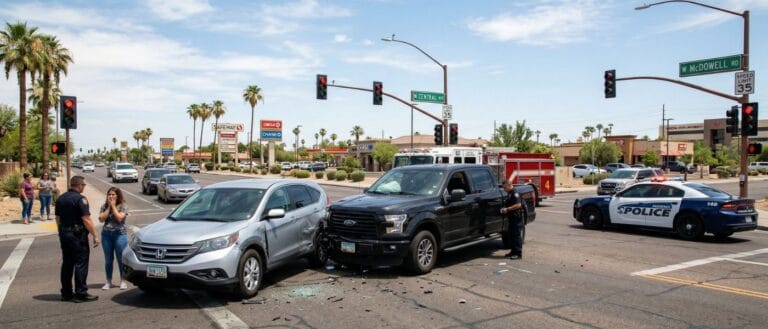
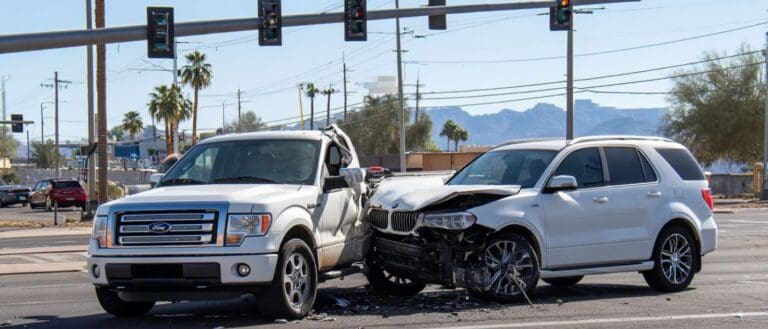
Intersections are notorious for motor vehicle accidents in Colorado Springs and across the state. Dash cams can capture who had the right of way, if someone jumped a red light, or what the traffic signals looked like at the moment of the crash.
On highways, everything happens faster. It’s tough to piece together what went down after the fact. Dash cams catch lane changes, sudden brakes, and how close cars were following. If a driver cut someone off or didn’t check their blind spot before merging, it’s all there.
Common intersection accidents caught on dash cams:
- Red light running
- Illegal left turns
- Not yielding
- Stop sign blow-throughs
The timestamp and clear visuals make it hard for insurance companies to argue. If both drivers say they had the green, video usually ends the debate.
Commercial Vehicle Collisions
Truck crashes or wrecks involving delivery vans are another headache. Commercial drivers have extra rules about hours, maintenance, and how they’re supposed to drive.
Dash cam footage can show if a commercial driver was tailgating, weaving, or making risky lane changes. Sure, some trucks have their own cameras, but independent footage from another car is gold—no bias.
These claims get messy, with big insurance policies and aggressive legal teams. Video from the scene makes it a lot tougher for trucking companies to dodge blame or point the finger elsewhere.
Hit-and-Run and Multi-Vehicle Incidents
Hit-and-runs are a nightmare—usually, you’re left with zero info on who hit you. But a dash cam can catch a license plate, the make and model, even which way the other car took off. That’s a huge help for police.
Pileups with several cars? Those are confusing. Dash cam video can piece together the chain of events—who hit whom, in what order, and whether someone got pushed or made their own mistake.
Key details dash cams catch in these cases:
- License plates
- Vehicle descriptions
- Sequence of crashes
- Total number of vehicles
Insurance companies love to play the blame game in multi-car wrecks. Footage lays out the facts, so you’re not stuck relying on unreliable memories or conflicting witness stories.
Limitations and Challenges of Relying on Dash Cam Evidence
Dash cam footage can be a game-changer in a car accident case, but it’s not foolproof. There are plenty of ways it can fall short—technical glitches, privacy headaches, or just not catching the whole story.
Technical and Storage Issues
Dash cams aren’t perfect. Sometimes they fail at the worst possible moment. Maybe the memory card’s full, the device is corrupted, or it wasn’t even installed right. Colorado’s wild temperature swings don’t help—some cameras just won’t work in extreme cold or heat.
If the video quality stinks, good luck reading a license plate or seeing a traffic light. Older or cheap dash cams often produce grainy footage that’s tough to use in court. Wide-angle lenses are great, but sometimes they make distances and speeds look off, which can muddy things up.
Where you stick the camera matters, too. A dash-mounted cam or one behind the mirror doesn’t always show exactly what the driver saw. That opens the door for people to argue about whether a hazard was really visible.
Honestly, regular checks are a must. Make sure it’s recording, there’s enough storage, and the footage is clear. If your dash cam craps out and you miss the crash—or the video’s too fuzzy to help—it could actually hurt your case more than help.
Potential Privacy Concerns
Colorado law is clear about recording in public, but privacy concerns still pop up. Dash cams record other drivers, passengers, pedestrians, and license plates—usually without anyone’s knowledge.
Audio recording is even trickier. Some dash cams pick up conversations inside and outside the car. In certain situations, Colorado law says everyone has to agree to being recorded.
Insurance companies or courts might ask for the entire, unedited video. That means private conversations or sensitive locations could end up as part of the legal record. It’s worth knowing exactly what your dash cam is capturing and how that info could be used.
Partial or Missing Footage Risks
Dash cams only show what’s in front of them. If you get rear-ended or sideswiped, a front-facing camera probably misses it. So, sometimes the footage only gives part of the story.
If you’re supposed to have footage but it’s missing, that can look suspicious. Courts and insurance companies might wonder if something was deleted on purpose—even if it was a total accident. That’s a legal headache nobody wants.
Most cameras overwrite old footage automatically. If you don’t save the recording right after the crash, it could be gone for good. Accident experts can sometimes fill in the blanks with what’s left, plus vehicle damage and scene measurements, but it’s extra hassle and expense.
Choosing and Maintaining Dash Cams for Optimal Evidence Quality
Picking the right dash cam—and keeping it in good shape—makes a huge difference in how useful your footage is for Colorado accident cases. Clear, accurate recordings are way easier to use as evidence.
Selecting the Right Features and Specifications
You want a dash cam that shoots at least 1080p so you can actually read license plates and traffic signals. Blurry video is basically useless when you’re trying to prove what happened.
Look for a wide-angle lens—somewhere between 120 and 170 degrees—so you catch multiple lanes and all the action around you. That way, you get more of the scene, not just what’s right in front.
Must-have features:
- Night vision for recording after dark
- G-sensor to auto-save footage if there’s a crash
- GPS tracking to lock in time and location
- Loop recording, so you don’t have to babysit it
It’s also important that your dash cam can handle Colorado’s crazy weather—no shutting down in the heat or freezing up in winter. And make sure it’s mounted solidly, so you don’t end up with shaky, unusable footage.
Regular Maintenance and Data Management
Dashboard cameras really need high-quality microSD cards—Class 10 or better—since they’re built for nonstop video writing. Standard memory cards just don’t hold up as well over time.
If you get into an accident, it’s smart to back up any important footage right away. Most dash cams let you transfer files over Wi-Fi or just plug in a USB cable to your computer or phone, which is honestly pretty convenient.
Formatting the memory card every few weeks helps avoid file corruption that could ruin your footage. It wipes out old files and keeps the card running smoothly.
It’s worth checking your camera once a week or so to make sure it’s still recording and hasn’t run out of storage. And don’t ignore those firmware updates—manufacturers push them out to fix bugs or tweak video quality, so it’s usually a good idea to install them when you can.