Is Colorado a No-Fault State for Car Crashes?
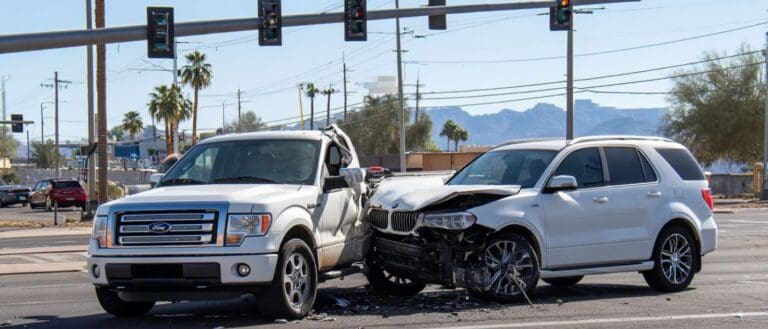
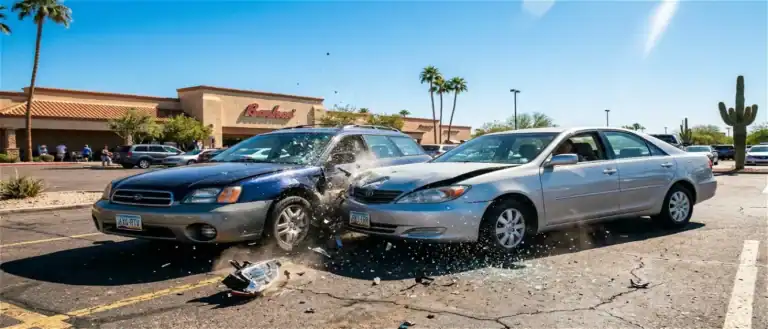
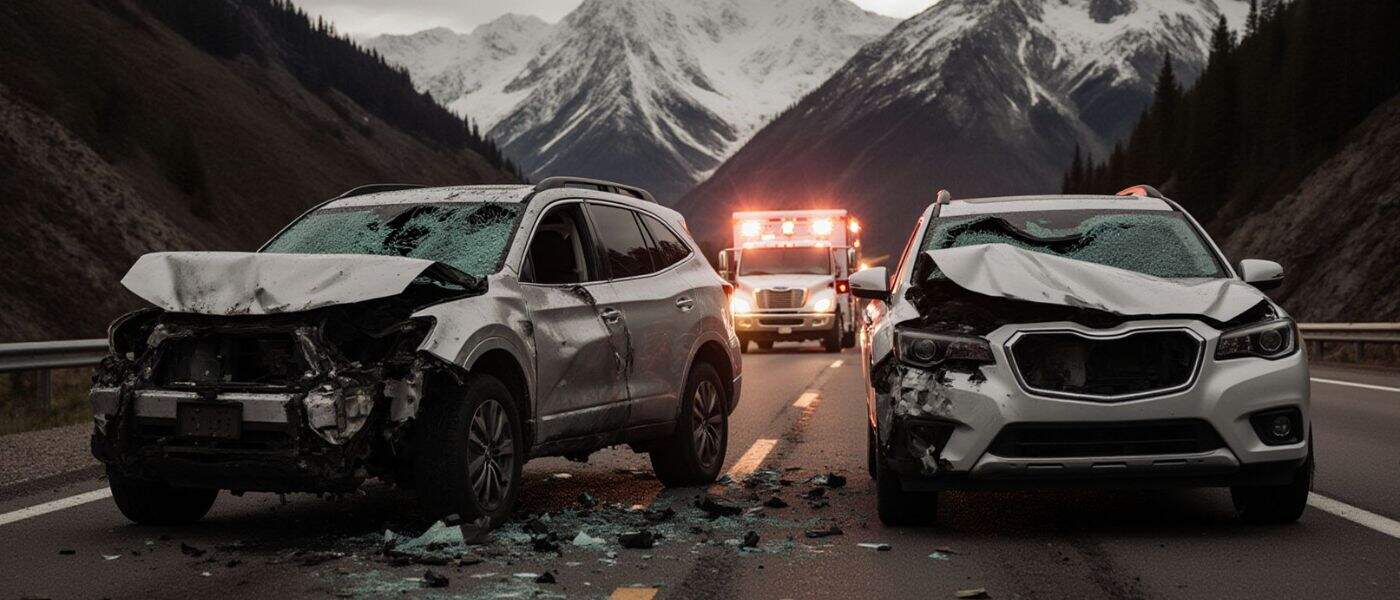
Colorado isn’t a no-fault state for car accidents—it actually uses an at-fault, or tort, system. So, whoever causes the crash is on the hook for damages. If you’re hurt in a Colorado car accident, you usually have to file a claim against the at-fault driver’s insurance to get paid.
This setup changes how folks handle claims, insurance, and even legal moves after a wreck. Understanding Colorado’s at-fault rules can help accident victims figure out their rights and what to actually do after a collision.
Colorado’s Fault-Based System for Car Crashes
Colorado is a fault-based, or “at-fault,” state when it comes to car accident claims. Whoever caused the crash is financially responsible for damages, medical bills, and injuries.
What Is a Fault State
A fault state (sometimes called an at-fault or tort state) makes the driver who caused the accident pay for the damages. In Colorado, if you’re found responsible for a crash, your insurance has to cover the other driver’s losses.
Victims need to prove who was at fault before they can get any compensation. Drivers are required to carry liability insurance, which helps pay for injuries or property damage they cause. The state sets minimum coverage requirements.
After an accident, insurance companies or courts dig into the evidence—police reports, witness accounts, vehicle damage, and so on—to figure out who’s to blame. The at-fault driver’s insurance pays for the other party’s costs.
Differences Between At-Fault and No-Fault Systems
In Colorado’s at-fault system, the person who caused the accident pays for damages and injuries. The victim has to show the other driver was negligent or messed up. If both share blame, compensation can get knocked down based on each person’s share of fault.
No-fault states do things differently. In a no-fault system, your own insurance covers your medical expenses and some other losses, no matter who caused the accident. It’s meant to speed things up and avoid smaller fights about fault.
Here’s a quick side-by-side:
| At-Fault System (Colorado) | No-Fault System | |
| Who pays? | At-fault driver’s insurance | Own insurance covers you |
| Lawsuits | Allowed for injuries & damages | Often limited or restricted |
| Proof of fault? | Required | Not needed for most claims |
Why Colorado Is Not a No-Fault State
Colorado ditched its no-fault insurance system back in 2003. Now it sticks to the classic at-fault model. Drivers have to carry a certain amount of liability insurance for when they cause a crash.
In a no-fault state, your own insurance pays your medical bills, and you usually can’t sue unless your injuries are really serious. Colorado doesn’t use that system anymore. Here, you’ve got to show the other driver was at fault to get paid for damages.
That’s why Colorado is a tort state, not a no-fault one. Victims need to gather evidence and often deal with insurance adjusters or lawyers to prove who’s responsible. Liability and fault are front and center in Colorado crash claims.
Establishing Fault in Colorado Car Accidents
Figuring out who caused a car accident is a big part of getting an insurance claim paid in Colorado. The process leans on info from insurance companies, law enforcement, and sometimes technical experts.
Role of Insurance Companies
Insurance companies are usually the ones who decide who’s at fault after a crash. When a claim is filed, they’ll collect statements from everyone involved, plus any witnesses. They’ll also look at photos, videos, and repair estimates to piece together what happened.
The adjuster checks out police reports and may reach out to anyone involved. Every driver’s story gets compared for accuracy. Insurance companies use all this to figure out fault and who pays for what. Sometimes, more than one driver shares blame, and each party’s coverage depends on their percentage of fault.
They follow Colorado’s modified comparative negligence rule. If you’re less than 50% at fault, you can still get damages, but your payment is cut by your share of the blame.
Importance of Police Reports
A police report can really sway how fault is determined after a crash in Colorado. When police show up, they gather statements, log evidence, and note any traffic violations or citations.
What’s in a police report:
- Date and location of the crash
- Names and contact info of drivers and witnesses
- Officer’s notes on possible fault
- Crash diagrams and sometimes photos
Insurance companies lean on these reports since police officers are neutral. Their notes help confirm or challenge what drivers claim. Even if a police report doesn’t flat-out say who’s at fault, it can highlight details like who ran a red light or failed to yield.
Accident Reconstruction in Fault Determination
When fault isn’t clear, accident reconstruction can come into play. This is where science and engineering help figure out what really happened.
Experts (yep, accident reconstructionists) visit the crash site, take measurements, and study the damage. They’ll look at skid marks, impact angles, and where the vehicles ended up. Sometimes they’ll create diagrams or even digital animations.
Their reports help insurance companies, lawyers, and courts understand the nuts and bolts of the crash. Accident reconstruction is especially helpful in serious cases—major injuries, fatalities, or when there’s a fight over what actually happened.
When police reports and witness accounts can’t settle things, accident reconstruction can tip the scales. In Colorado, it means fault gets assigned based on hard evidence, not just stories.
Comparative Negligence Rules in Colorado
Colorado uses a modified comparative negligence law for car accidents. Basically, who pays for damages depends on each driver’s share of fault.
Modified Comparative Negligence Explained
Under state law (Colorado Revised Statute § 13-21-111), anyone in a crash can have some degree of responsibility. As long as you’re not 50% or more at fault, you can recover damages. But if you’re found to be 50% or more responsible, you’re out of luck—no damages for you.
If you’re less than 50% at fault, you can get compensation, but it’ll be reduced by your share of negligence. It’s supposed to make sure the blame (and the bill) matches what actually happened.
How Comparative Negligence Affects Compensation
This rule has a direct impact on how much money you can get. If you’re partially at fault, your payout drops by the percentage you’re blamed for. Say you’re 20% at fault and your damages total $10,000—you’d only get $8,000.
If you’re found equally or more responsible (50% or higher), you don’t get anything. It’s a system that tries to keep things fair, but it also means you’ve got to be careful—any slip-up can cost you.
Examples of Comparative Negligence Cases
Example 1: Two cars crash at an intersection. One driver ran a red light; the other was speeding. If the red-light runner is 60% at fault and the speeder 40%, only the speeder can recover damages (but it’ll be reduced by 40%).
Example 2: In a rear-end collision, the front driver stopped suddenly for a road hazard, and the rear driver was tailgating. Maybe the front driver gets 30% of the blame, the rear 70%. The front driver can recover damages, minus their 30% share.
Table: Fault and Compensation
| Fault Percentage | Can Recover Damages? | % of Damages Recovered |
| 0% | Yes | 100% |
| 10% | Yes | 90% |
| 49% | Yes | 51% |
| 50% | No | 0% |
| 60% | No | 0% |
These examples show how the modified comparative negligence rule actually works in the real world—it changes who gets paid and by how much.
Insurance Requirements and Coverage in Colorado
Colorado law spells out what car insurance drivers need. There are minimum requirements, but you can always buy more coverage if you want extra peace of mind.
Minimum Liability Insurance Standards
Since Colorado is a fault-based state, liability insurance is a must. Every driver’s policy has to cover at least:
| Type of Coverage | Minimum Limit per Person | Minimum Limit per Accident |
| Bodily Injury Liability | $25,000 | $50,000 |
| Property Damage Liability | N/A | $15,000 |
Bodily injury liability covers injuries to others if you’re at fault. Property damage liability pays for damage to someone else’s car or property. These are just the legal minimums—lots of people choose higher limits because, honestly, accidents can get expensive fast.
Underinsured and Uninsured Motorist Coverage
Colorado drivers can also buy uninsured motorist (UM) and underinsured motorist (UIM) coverage. This helps if you get hit by someone with little or no insurance.
UM covers injuries (and sometimes property damage) if the other driver has no insurance. UIM kicks in when the at-fault driver’s insurance isn’t enough to cover all your damages. It’s not required, but insurance companies have to offer it—you can reject it in writing if you want.
These options are worth considering, especially since not everyone out there follows the law. Big medical bills or repair costs can leave you hanging if the other driver can’t pay up.
Comprehensive Coverage and Optional Add-Ons
Liability insurance doesn’t cover damage to your own car. If you want more protection, you can look into additional types of coverage. Comprehensive pays for things like theft, fire, or hail—anything that’s not a collision. Collision, on the other hand, kicks in if you hit another car or, say, a pole.
There are other add-ons too: medical payments (MedPay) and rental car reimbursement are a couple of common options. Not required, but they can be a lifesaver when bills pile up after a wreck. Of course, every extra means a slightly higher premium, but sometimes that peace of mind is worth it.
Filing an Insurance Claim After a Car Crash
After a crash in Colorado, the insurance claim process is based on fault. Whoever’s found responsible pays, and there’s a bit of a dance to make sure your claim is protected.
Steps to File a Car Accident Claim
- Call the police and get an official accident report. That report’s going to matter later.
- Exchange information with everyone involved: names, contacts, insurance, and vehicle details.
- Document the scene. Snap photos of the damage, license plates, and the area. Jot down your version of events before the details fade.
Reach out to your insurance company as soon as you can. Stick to the facts—don’t try to guess who’s at fault or fill in gaps you’re unsure about.
In Colorado, if you weren’t at fault, you might file with the other driver’s insurance, or use your own collision or uninsured motorist coverage. Hang onto every piece of paperwork: medical records, repair bills, anything tied to the crash.
Leaving out key details or making mistakes can drag things out or even get your claim denied.
Dealing With Insurance Claims Adjusters
Claims adjusters dig into the details, inspect the damage, and decide what you’ll get paid.
Give them what they ask for—repair estimates, medical bills, all of it. Don’t speculate about fault or try to explain things you aren’t sure about.
Tips for dealing with adjusters in Colorado:
- Take notes during every call or meeting
- Save copies of everything—emails, letters, receipts
- Don’t sign anything you haven’t read thoroughly, especially releases or settlements
Remember, adjusters work for the insurance company, not for you. If the first offer feels low, you can push back. It’s fine to ask questions or request another look at your claim.
Common Obstacles in Insurance Claims
Things can get delayed if there’s missing info or arguments over who’s at fault. Insurers might lowball you or deny parts of your claim.
Other headaches include:
- Fights over what really caused the crash
- Settlement offers that barely scratch the surface of your losses
- Requests for more paperwork or having to repeat your story
If you’re running into roadblocks, having organized records, pictures, and your police report handy can help. Sometimes you’ll need a lawyer to get things moving, especially if the claim drags on for weeks or months, or if injuries are serious or there are lots of people involved.
Damages and Compensation Available to Victims
Car accident victims in Colorado can go after several kinds of financial compensation. The law covers property damage, medical bills, lost income, impairment, disfigurement, and even emotional fallout from the crash.
Property Damage and Repairs
If a driver causes an accident, they’re usually on the hook for the other person’s property damage. That means fixing or replacing your car and anything else that got wrecked.
Insurance will pay up to your car’s actual cash value. If it’s totaled, you’ll get the fair market value, not the cost of repairs. Sometimes, if you need a rental car, that’s covered too.
Hang onto receipts for repairs and rentals. Reporting damage quickly helps avoid fights over what your car’s really worth.
Medical Bills and Bodily Injury
Injuries can rack up serious expenses. Colorado law lets crash victims claim all medical bills tied to the accident.
This includes ER visits, hospital stays, surgeries, prescriptions, therapy, and follow-ups. Even things like crutches or wheelchairs can be claimed if you paid out of pocket.
Keep track of every treatment and bill. Solid documentation helps make sure you’re paid for the full extent of your injuries.
Non-Economic Damages: Pain and Suffering
Some damages aren’t about receipts—they’re about pain, stress, or just not being able to enjoy life like before. That’s where non-economic damages come in: pain, emotional distress, anxiety, depression, loss of enjoyment, all of that.
There’s no set formula here. Juries or adjusters look at how bad the injury was, how long it takes to recover, and how much your daily life changes.
Colorado does cap non-economic damages in most cases, but for serious injuries, these claims can be a big chunk of what’s recovered.
Lost Wages and Lost Income
If you miss work because of injuries, you can claim lost wages for the income you couldn’t earn—whether that’s days off to recover or for doctor visits.
Sometimes injuries stick around and you can’t work like before. In those cases, you might be able to claim lost future earnings. You’ll need proof—pay stubs, employer notes, maybe even tax returns.
If your ability to work is permanently changed, lost earning capacity could also be part of your claim. That’s a big deal for folks supporting families or anyone in physical jobs.
Legal Action and the Role of Car Accident Lawyers
Since Colorado is an at-fault state, figuring out who caused the crash changes how damages are paid. Sometimes, if insurance isn’t enough or you’re not at fault, you might have to think about legal action or calling a car accident lawyer.
Filing a Personal Injury Lawsuit
If you’re injured in a Colorado car accident, you can seek compensation from the at-fault driver’s insurance. Sometimes, though, the damages go way beyond what insurance will pay. That’s when a personal injury lawsuit might be needed to cover everything—medical bills, lost wages, pain and suffering, the works.
Getting started means gathering evidence: police reports, witness statements, medical records, all that. You or your lawyer have to show the other driver was negligent and caused the accident for a court to order payment.
And deadlines matter. In Colorado, the statute of limitations for an adult is usually three years from the crash. Miss it, and you’re probably out of luck.
When to Hire an Attorney
After a crash, it’s natural to wonder if you need legal help. Hiring a car accident lawyer in Colorado can make sense if your injuries are serious or if the insurance company is being difficult. Lawyers can break down your rights, figure out what your case is actually worth, and deal with the adjusters so you don’t have to.
A personal injury lawyer is especially useful if liability is up in the air or if there are several people involved. They know Colorado law and can spot when something’s off or if you’re getting a raw deal. Their help is crucial when injuries are lasting or the money at stake is big.
Most cases settle out of court, but having a sharp auto accident attorney in your corner can make a real difference. They’ll negotiate for you and, if it comes to it, take your case to court for fair compensation.
Free Case Review and Legal Representation
Plenty of car accident lawyers in Colorado will give you a free case review. Basically, they’ll sit down with you, hear what happened, and give their take on your legal options—no charge.
It’s a good way to get a sense of whether you’ve got a solid claim or if you’ll want a lawyer in your corner. During that first chat, the attorney usually goes over possible outcomes and what their fees might look like. Most personal injury lawyers work on contingency, so they only get paid if you win or settle.
These free consultations really lower the barrier for folks who need quick legal advice after a crash. The right lawyer can take a lot of stress off your plate and boost your odds of getting fair compensation.