How Weather-Related Car Accidents Are Handled in Colorado
Colorado’s wild weather keeps drivers on their toes—snow squalls, black ice, sudden fog banks, you name it. Every year, thousands of crashes happen because of these unpredictable conditions. Still, a lot of folks think if weather’s bad, nobody’s really at fault. That’s not how Colorado law sees it.
Drivers here have to adjust their habits to match what’s happening on the road, and if they don’t, they can be held liable—even if a blizzard or downpour played a part. Insurance companies love to point fingers at the weather to dodge paying out claims. Knowing how Colorado law handles weather-related crashes can make all the difference if you need to protect your rights and get fair compensation.
Let’s dive into how the state deals with weather-related car accidents: what counts as one, how fault is sorted out, what evidence matters, and how to navigate the insurance maze. Plus, some straight talk on what to do after a crash and when it’s time to call in legal help.
Defining Weather-Related Car Accidents in Colorado
If weather conditions directly contribute to a crash, it’s considered a weather-related accident here. Over the last decade, these have added up to about 200,000 incidents in Colorado—everything from whiteout snow to blinding rain and fog.
Common Weather Conditions Contributing to Crashes
Rain is the big culprit for most weather-related wrecks in the state. Slick pavement means less grip, longer stops, and more fender benders—even when you think you’re going slow enough.
Snow and ice? Those are a nightmare, especially in winter. Black ice is the worst—it’s practically invisible but turns roads into skating rinks. Heavy snow can hide lane lines and kill visibility.
Fog’s another sneaky hazard, especially in the valleys or near rivers. Sometimes it rolls in so fast, drivers don’t have a chance to slow down.
High winds, especially along the plains and in the mountains, can shove trucks and SUVs right out of their lanes. Sometimes it’s not just the wind, but the snow or dust it kicks up, making it impossible to see.
Types of Weather-Related Accidents
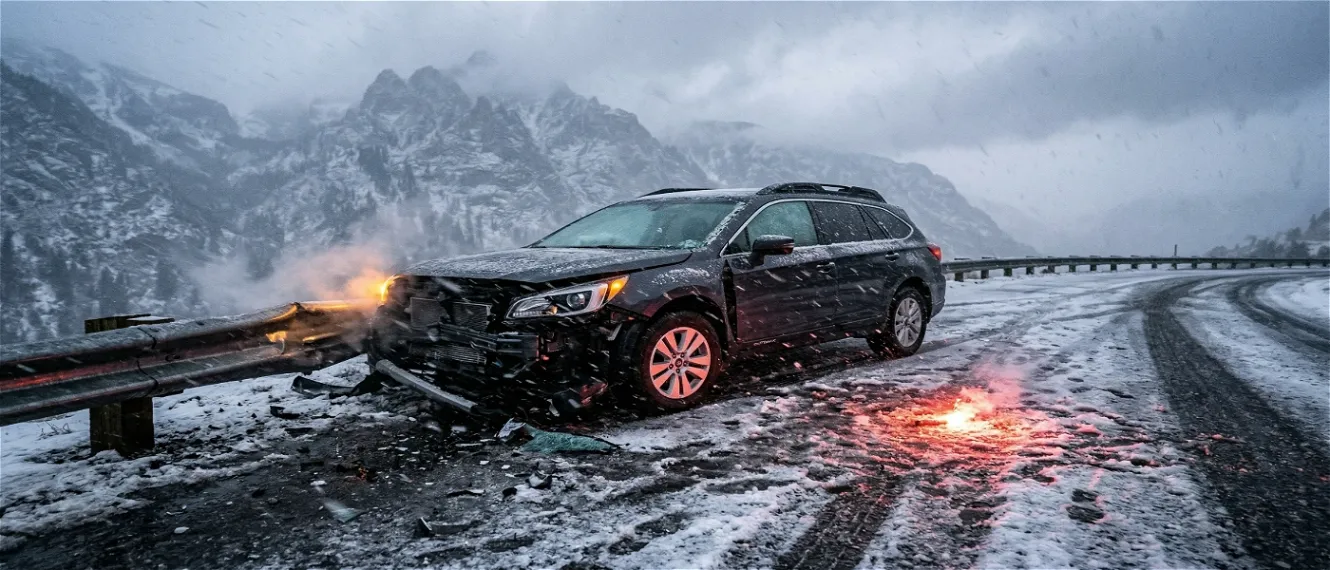
Single-vehicle crashes—like sliding off the road or smacking into a guardrail—are common when roads are icy or slick.
Rear-end collisions spike when drivers don’t leave enough room in lousy weather. Stopping distances go way up on wet or frozen pavement.
Multi-vehicle pileups (think chain-reaction crashes on I-70) happen when sudden storms hit and nobody can stop in time.
Hydroplaning during heavy rain is another classic. Tires lose contact with the pavement, and suddenly you’re just along for the ride.
Colorado-Specific Weather Hazards
Colorado gets about 67 inches of snow a year. That’s a lot of time spent dodging snowdrifts and black ice. The mountain passes? Even worse.
Weather can flip on a dime here, especially in the high country. You might start your drive in sunshine and hit a blizzard on the pass. Elevation changes mess with conditions fast—a dry road at the bottom, a skating rink at the top. I-70 and other mountain routes are notorious for winter pileups; just this year, there’s already been a 6% uptick in these crashes.
Wildfire smoke is a newer headache. It can make visibility terrible, even when the roads are technically clear.
Understanding Liability in Weather-Related Crashes
Figuring out who’s at fault in a weather-related crash is rarely simple. Colorado law says drivers have to be extra careful when conditions get bad, and if they’re not, it’s considered negligence—even if the weather is partly to blame.
How Fault Is Determined
In Colorado, fault boils down to whether you drove appropriately for the conditions. The state uses a modified comparative negligence system, meaning blame can be split between drivers.
Insurance adjusters and courts look at what you actually did before the crash: Did you slow down? Keep extra distance? Use your headlights? They’ll check police reports, talk to witnesses, and dig into the details.
Things they’ll weigh:
- Your speed for the conditions
- Following distance
- Whether you had your lights on
- Condition of your brakes and tires
- Was your car winter-ready?
If you’re barreling along at normal speed on icy roads, chances are, you’ll be found at fault—even if the weather was ugly.
Role of Negligence in Adverse Conditions
Negligence is basically failing to do what a reasonable person would do in the same situation. In bad weather, that means slowing down, backing off the car in front, and paying attention.
Courts don’t buy the excuse that “the weather did it” if you were driving too fast or ignoring warnings. Some classic negligent moves:
- Blowing off weather alerts
- Using cruise control on slick roads
- Not clearing snow or ice off your windshield
- Forgetting headlights in fog
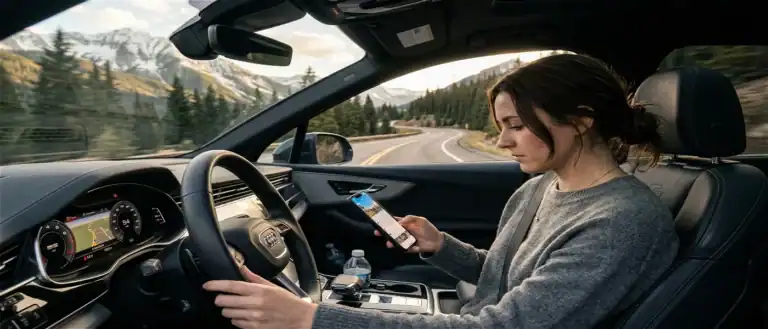
- Texting in a downpour
The law expects you to anticipate trouble and act before things get dicey.
State Laws Affecting Liability
Colorado law puts the onus on drivers to control their vehicles, no matter the weather. You’re supposed to drive at a speed that’s safe for conditions, not just stick to the posted limit.
If you’re less than 50% at fault, you can still collect damages—but your payout drops by your percentage of blame.
There are also traction laws for mountain driving during winter. You need proper tires or chains in certain areas when things get rough. Ignore those, and you’re basically asking to be blamed if something happens.
Sometimes, local road crews or agencies could share blame if they didn’t treat the roads or warn drivers, but suing the government is tough thanks to immunity laws.
Proving Negligence After a Weather-Related Accident
Just because the weather was bad doesn’t mean you’re off the hook. To prove negligence, you have to show a driver didn’t adjust to the conditions.
Required Evidence and Documentation
You need solid evidence, and fast. Photos are huge—get shots of the road, your car, any skid marks, and what the weather looked like. The more detail, the better.
Police reports matter a lot, since officers note weather and what drivers were doing. Witnesses can back up your story—like if someone saw a car speeding or tailgating in the snow.
Weather reports from the time and spot of the crash help set the scene. Sometimes, surveillance video from nearby businesses or traffic cams can show exactly what happened. If distracted driving or bad tires are in play, an attorney can help dig up phone or maintenance records.
Examples of Negligent Driving in Severe Weather
Drivers have to up their game when the weather turns. Speeding (or just not slowing down enough) is a top cause of weather-related crashes. Remember, speed limits are for good conditions—when it’s slick, you’re expected to back off.
Other problem behaviors:
- Forgetting headlights in bad weather
- Tailgating on slippery roads
- Making jerky moves—quick lane changes or sharp turns
- Driving on bald tires or skipping winter tires in snow
- Ignoring road closures or warnings
Any of these can show you weren’t being careful enough, even if Mother Nature was part of the problem.
Legal Standards for Driver Responsibility
The law expects you to drive with reasonable care for whatever’s happening around you. What’s safe on a sunny day is risky during a blizzard.
Courts ask: Would a reasonable person have acted differently? You can’t just blame the weather if your own choices upped the risk. Slowing down, giving more space, and sometimes just staying home—that’s what’s expected.
Insurance companies like to blame the weather to avoid paying. But if everyone else made it through the same storm without crashing, and you didn’t, that’s a red flag. Your actions matter.
Insurance Claims for Weather-Related Car Accidents
Getting paid after a weather-related crash depends on the kind of insurance coverage you have and how your insurer handles claims. It’s not always straightforward.
Types of Insurance Coverage
Comprehensive covers stuff like hail, floods, or trees falling on your car—basically, damage not caused by another vehicle. Collision pays for repairs if you crash, even if you lose control on ice.
Medical payments coverage helps with injuries. Liability insurance kicks in if you’re at fault and someone else is hurt or their car’s damaged. Not every policy includes all these—liability-only plans won’t fix your own car if you slide off the road.
It’s worth double-checking your policy before winter hits. Too many drivers only find out about coverage gaps after a crash.
Addressing Bad Faith Insurance Practices
Sometimes, insurers drag their feet or flat-out deny legit claims, hoping you’ll just give up. They might:
- Claim your policy doesn’t cover the crash
- Go silent or slow-walk the investigation
- Demand endless paperwork
- Deny payment even when coverage is clear
If it feels like they’re stalling or being unfair, a car accident attorney can step in. You’re allowed to sue for bad faith, and sometimes you can get more than just the claim amount back.
Filing and Supporting Your Claim
File your claim ASAP after a crash. Call your insurer, give them the basics, and start gathering evidence.
You’ll want photos of the damage, weather reports, police reports, and any witness info. Document everything—what the roads looked like, how bad visibility was, if there were any weather warnings.
Adjusters will try to figure out if you drove sensibly for the conditions. They’ll look at skid marks, car positions, maybe even traffic cam footage. Keep records of every conversation with your insurer—it can save headaches later.
Steps to Take Immediately After a Weather-Related Crash
What you do right after a crash in bad weather can make a big difference. Quick thinking and good documentation help protect both your health and your legal case.
Ensuring Safety and Gathering Evidence
First things first: check for injuries. Call 911 if anyone needs medical help.
If you can move your car safely, get it off the road—especially on slick surfaces where another crash could happen in a heartbeat. Flip on your hazards to warn others.
Once everyone’s safe, start snapping photos. Get wide shots and close-ups of the scene—road surface, snow or ice patches, where the cars ended up, any visible weather like falling snow or thick fog.
Don’t forget to capture:
- All vehicle damage and positions
- Road surface (ice, slush, water)
- Skid marks or tire tracks
- What the weather looks like
- Signs, signals, or anything else relevant
- Debris on the road
If there are witnesses, grab their names and numbers before they disappear. You never know when their account could tip the scales.
Communicating With Law Enforcement
Colorado law says drivers have to report accidents that cause injury, death, or significant property damage. When you call 911, it helps to mention what the weather and roads are like.
Officers will write up a police report about the crash, and that usually includes details about the weather at the time. When talking with the police, stick to what actually happened—don’t guess about who’s at fault or start apologizing.
If you noticed things like bad visibility, ice patches, or sudden weather changes, point them out to the officer. These details often end up in the report, which can matter a lot for insurance later on.
Notifying Your Insurance Provider
Insurance companies expect to hear about weather-related crashes pretty quickly. Most policies want you to report accidents within 24 to 48 hours.
When you call your insurer, just stick to the facts: describe the weather, the road surface, and what happened—don’t admit fault. Sometimes insurance adjusters will try to chalk the whole thing up to weather just to pay less.
It’s smart to give your insurance company any documentation you collected at the scene—photos, the police report number, witness names. If you’re injured, don’t give a recorded statement without legal advice. That’s just asking for trouble.
Legal Support and the Role of Car Accident Attorneys
Attorneys who deal with weather-related car accidents in Colorado can offer critical support in establishing fault, collecting evidence, and pushing for fair compensation. They know the ins and outs of state traffic laws and weather-specific rules, which helps victims handle tough insurance claims and legal stuff.
When to Consult a Car Accident Attorney
If a weather-related crash leads to serious injuries, disputed liability, or a big mess with property damage, it’s usually time to call a car accident attorney. Insurance companies love to blame everything on the weather, which can mean less (or no) compensation. Having an attorney keeps you from getting steamrolled.
Getting legal advice early is also important if there are multiple people involved or if the insurance company is dangling a quick settlement. Those first offers almost never cover all your medical bills, lost pay, or future treatment. Attorneys can help you figure out what your claim is actually worth before you sign anything.
If it’s not clear who’s at fault, or if the other insurance company is trying to say weather was the only cause, an attorney can help. Colorado law expects drivers to adjust to road conditions, and a lawyer can show when someone didn’t live up to that.
How Attorneys Investigate Weather-Related Cases
Attorneys dig up weather data from sources like the National Weather Service to pin down exactly what conditions were like during the crash. They’ll pull police reports, talk to witnesses, and gather photos from the scene. All this helps show whether drivers acted reasonably for the weather.
Sometimes investigators go out to the crash site themselves, looking for things like poor road maintenance, missing signs, or drainage issues that made things worse. If there’s traffic camera footage, they’ll review that, and they’ll look at vehicle damage to piece together what happened.
They’ll also bring in accident reconstruction experts to analyze skid marks, positions, and weather, figuring out speeds and driver reactions. Medical experts weigh in on injuries and how they tie back to the crash. These outside opinions can really strengthen a claim.
Attorney Strategies for Maximizing Compensation
Attorneys document all damages: medical bills, rehab, lost wages, even future expenses if you’re dealing with a long-term injury. The goal is to make sure you don’t settle for less than you’ll actually need.
When negotiating with insurance adjusters, legal teams use evidence of the other driver’s mistakes in bad weather. They’ll point out that responsible drivers slow down, leave extra room, and turn on headlights in rough conditions. If someone skips those basics, they’re still on the hook, weather or not.
If the insurance company just won’t budge, attorneys file lawsuits. They get everything organized for trial—evidence, witness statements, arguments showing the other driver didn’t adjust to the conditions. Most cases settle before trial, but only after insurers see how strong the case is.
Prevention Strategies for Weather-Related Accidents
Colorado drivers can really cut down on accident risk by prepping their cars, adjusting how they drive, and following state traffic laws. All three matter, especially when snow, ice, or rain make things unpredictable.
Preparing Your Vehicle for Severe Weather
Regular maintenance is huge for avoiding weather-related wrecks. Before winter hits, swap in winter tires or at least all-season tires that are rated for snow and ice. They grip the road way better than standard tires when things get slick.
Batteries lose power in the cold, so it’s worth testing yours before winter. Windshield wipers that streak or miss spots need replacing—good visibility can be the difference between a close call and a crash.
Try to keep your gas tank at least half full in winter. That keeps fuel lines from freezing and gives you enough gas to run the heater if you’re stuck. An emergency kit with blankets, water, snacks, a flashlight, and jumper cables should just live in your car.
Check your tire pressure every month; cold air makes it drop, and underinflated tires don’t grip well on ice or wet pavement.
Safe Driving Practices in Hazardous Conditions
The number one thing you can do in bad weather? Slow down. Speed limits are for perfect days, not snow or rain. Go slow enough that you can keep control and stop safely.
Leave more space between you and the car ahead. The usual three-second rule doesn’t cut it when roads are slick. Six seconds is better for rain, and even more if it’s snowing or icy.
Smooth, gradual moves are safer—slam on the brakes or jerk the wheel and you’re likely to skid. Try to:
- Accelerate gently from a stop
- Brake early and softly as you approach lights or stop signs
- Steer slowly and steadily
- Skip cruise control when it’s wet or icy
Don’t forget your headlights in rain, fog, or snow—they help you see and help others see you.
Understanding and Complying With Local Laws
So, in Colorado, if your windshield wipers are on, your headlights need to be too. It’s not just a suggestion—it’s the law, and honestly, it makes sense. Visibility drops fast in rain or snow, and you want other drivers to see you.
When weather gets really nasty in the mountains, there’s the Traction Law and sometimes the Passenger Vehicle Chain Law. If you hear the Traction Law is in effect, you’ll need snow tires, all-wheel drive, or four-wheel drive. And if conditions get worse, the Chain Law kicks in and you’ll need actual traction devices, even if you already have a capable vehicle.
If you ignore these requirements and end up causing a crash, you could be on the hook for damages. Courts in Colorado don’t take kindly to folks who skip out on posted weather rules.
And sometimes, certain mountain passes just shut down altogether when things get too dangerous. If you see a closure sign, don’t push your luck—just find another way around.