Who is at Fault if a Driverless Car Crashes?
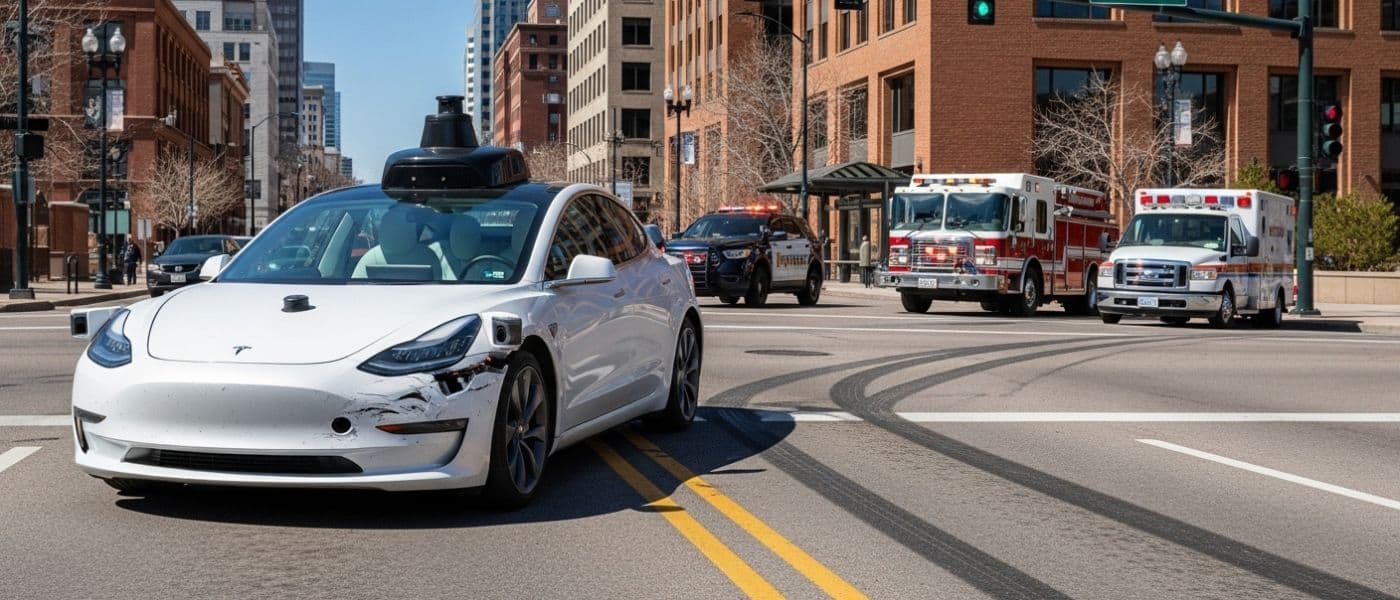
When a driverless car is involved in a crash, figuring out who’s at fault isn’t exactly straightforward. These vehicles rely on a tangle of software and sensors, so accidents look a bit different than with regular human drivers. Liability for a driverless car crash usually comes down to whether a glitch in the car’s tech or a human mistake caused the wreck.
If the car’s system fails or malfunctions, the manufacturer might be on the hook. But if a person could have stepped in and didn’t, they might share the blame. The law’s still catching up to all this, and every situation can play out differently depending on the details.
Understanding Driverless Car Accidents
Driverless car accidents bring up a lot of tough questions—about safety, responsibility, and just how far we trust machines on the road. It’s important to get a grip on how these crashes actually happen and who’s involved, since that shapes who ends up responsible.
Defining Autonomous Vehicle Crashes
An autonomous vehicle crash is basically any collision involving a self-driving car, whether it hits another car, a person, or even just a mailbox. Automated vehicles like Waymo’s use a mix of sensors, cameras, and AI to drive themselves—at least, that’s the idea.
Things can still go wrong: maybe the software glitches, maybe the hardware fails, maybe the weather’s just too much. Sometimes, even with all the tech, a human has to jump in if the car asks for help.
Unlike old-school accidents, driverless cars record a ton of driving data. Investigators can dig into this—speed, direction, exactly when the autopilot was on or off. That info is often crucial for figuring out what actually happened and who’s to blame.
Key Players in Driverless Car Technology
There are a lot of cooks in this kitchen. Car manufacturers design and build the main systems. Companies like Waymo create the software and sensors that make the cars “think.”
Then you’ve got third-party software folks, hardware suppliers, and those who keep the cars connected to the cloud. Any of them could share the blame if their part fails. Owners and operators also have to stick to usage rules and safety recommendations.
If a crash happens, all these parties might get pulled into the investigation or even a lawsuit. Laws about driverless car accidents are still a work in progress, so everyone involved has to keep up and play by the latest rules.
Legal Responsibility in Driverless Car Crashes
When a driverless car crash happens, figuring out who is at fault depends on how the vehicle was made and how its systems work. Sometimes, fault can fall on the company that made the car or the people who created its software, especially if there was a problem with how the car was built or how its software operated.
Manufacturers’ Liability
Vehicle manufacturers can be on the line if a crash is caused by a defect in the car itself. That’s a product liability claim. If a manufacturing defect causes a safety issue and leads to a collision, the manufacturer could be blamed.
Typical trouble spots? Sensors, brakes, or the vehicle’s control systems. Courts look at whether the car met safety rules and if the defect was something the company should’ve known about. If the car doesn’t work as promised, the manufacturer could be at fault.
Table: Main Areas of Manufacturer Liability
| Area | Example |
| Manufacturing defect | Faulty sensor or brake |
| Design flaw | Car can’t handle certain roads |
| Failure to warn | No clear guide for safe use |
Software Developer and Designer Accountability
Software developers and designers are the ones writing the code that lets driverless cars operate. If the software has bugs or just wasn’t built to handle real-world chaos, they could be responsible, especially if that’s what causes a crash.
Problems can come from bad logic, poor data handling, or missing safety features. Sometimes a quick update can fix it, but not always—accidents can happen before a patch is out.
Developers might be at fault if they ignore known problems or if their software doesn’t meet legal or safety standards. Courts also look at whether the company tested things properly before putting cars on the road.
The Role of Human Drivers and Personal Liability
Humans aren’t off the hook just because the car drives itself. Personal liability depends on the level of automation and what the driver did before or during the incident.
Driver Negligence and Oversight
Most self-driving cars still expect a human to pay attention. In Level 2 and Level 3 vehicles, you’re supposed to be ready to take over if the car runs into trouble.
If the car tells the driver to take control and they don’t—maybe they’re asleep, maybe they’re just zoned out—that’s negligence. Ignoring warnings or not stepping in can mean the driver is partly responsible for whatever comes next.
Even in cars that do almost everything, people are expected to supervise. If they don’t, they might end up sharing the blame with the company behind the tech.
Distinction from Human-Driven Car Accidents
With regular cars, it’s usually about human error—speeding, texting, running a red light. The driver’s almost always at fault if they mess up.
With self-driving cars, you have to look closer. If the human grabs the wheel and screws up, it’s pretty much like any other accident. But if the car’s in full auto mode and the driver did everything right, the blame might shift to the automaker or software folks—especially if a defect is found.
The key is who was actually in control and whether the driver paid attention to warnings. That’s what shapes who gets blamed and who might be legally responsible.
Government Regulations and Safety Standards
Strict safety rules and government oversight are shaping the legal landscape for autonomous vehicles. Agencies and lawmakers are constantly updating guidance as the tech evolves—sometimes it feels like the law’s always a step behind.
NHTSA’s Role in Autonomous Vehicle Oversight
The National Highway Traffic Safety Administration (NHTSA) is the main federal agency keeping an eye on vehicle safety in the U.S.
NHTSA sets vehicle safety standards, checks if manufacturers are following the rules, and issues recalls if needed. For driverless cars, NHTSA is all about system reliability, cybersecurity, and crash data. They look at how cars deal with hazards and update the Federal Motor Vehicle Safety Standards (FMVSS) to handle new risks.
Car makers have to report test results—including crashes—to NHTSA. The agency also reviews safety assessments before self-driving cars hit public roads. If they find safety problems, they can demand fixes or software updates.
State and Federal Safety Regulations
Both states and the federal government make the rules for how autonomous vehicles are allowed to operate.
- States decide where driverless cars can go, whether a backup driver is needed, and set up local testing zones.
- The federal government, via NHTSA, sets the big-picture safety standards and reporting rules for the whole country.
Some states want permits, background checks for remote operators, or certain types of insurance. Others focus more on collecting crash data or teaching the public. On the federal side, lawmakers are trying to make things more uniform so you don’t have a patchwork of different rules everywhere.
This mix of state and federal rules means companies have to juggle a lot as they roll out self-driving cars in new places.
Product Liability and Insurance Issues
When a driverless car crashes, product liability insurance and accident coverage both come into play. Who pays for damages? That can get complicated—manufacturers, software companies, and even car owners might all be involved.
Product Liability Insurance in Autonomous Vehicles
Product liability insurance covers damage from design, manufacturing, or software defects in self-driving cars. If a crash happens because the car’s system failed, the maker or software provider could be on the hook.
Companies building these cars usually carry this insurance to cover injuries or damages if their tech messes up. It’s supposed to help victims if something in the system goes wrong.
Manufacturers might try to dodge responsibility by saying the owner didn’t use the car right or skipped software updates. Often, insurance companies and courts have to dig into the details to see if a product defect is actually to blame.
Claims, Compensation, and Accident Liability
After a crash with a driverless car, victims have to prove what was damaged and why. That usually means showing the car’s tech, hardware, or software was at fault.
Insurance for autonomous vehicles isn’t always like regular car insurance. There might be special steps to file claims, especially if a manufacturer’s product liability policy is supposed to pay instead of the driver’s own insurance.
Sorting all this out can be messy. Lawyers, claims adjusters, and experts often get involved to figure out who’s responsible, what insurance covers, and how much compensation is fair. Some cases drag on longer than regular car accidents, especially if several companies are in the mix.
Technology and Data Considerations
When a driverless car is in a crash, the tech side matters a lot. Understanding how the AI and advanced systems work is crucial for deciding who’s responsible.
Influence of Artificial Intelligence in Crash Responsibility
Artificial intelligence (AI) is calling the shots in autonomous vehicles. The car’s sensors and software take in data, spot objects, react to traffic, and make split-second decisions. If the AI messes up—maybe it misreads a stop sign or misses a hazard—that can lead to an accident.
In those situations, the software developer or the company that built the system might be on the hook. Companies like Google and Volvo have, at times, taken responsibility for their cars’ mistakes.
Key Factors:
- Faulty code or design flaws in the AI
- Updates that were missed (or made things worse)
- Whether the manufacturer knew about the problem
AI decisions leave digital fingerprints, so investigators can look back and see what happened right before a crash.
Vehicle Technology and Evidence Gathering
Driverless cars rely on cameras, radar, GPS, and more to drive safely. These systems are always recording—speed, location, road conditions, you name it.
After a crash, investigators dig into sensor data and system logs to piece together what went wrong. These records show how the car responded and if any tech failed. If, say, the brakes didn’t kick in as programmed, the manufacturer or software folks might be liable.
Evidence can come from:
- Event data recorders (“black boxes”)
- Sensor logs and camera footage
- Maintenance and update records
Solid data is key for figuring out who’s responsible, especially as the rules for self-driving car liability keep shifting.
Seeking Legal Support After a Driverless Car Accident
If you’ve been in a crash involving a driverless car, it’s honestly a good move to get some legal advice. An attorney can walk you through the whole insurance claim mess, break down who might actually be liable, and hopefully help you get the compensation you deserve.
Working With a Car Accident Lawyer
A car accident lawyer will dig into the details of the incident and figure out who might be on the hook. With self-driving vehicles, that’s not always obvious—it could be the manufacturer, the software folks, or maybe another driver on the road.
Lawyers gather evidence—think photos, security camera footage, witness statements. Sometimes they’ll bring in specialists to sift through crash data or check out the car’s tech systems. It’s a lot to keep track of.
They’ll also handle all the back-and-forth with insurance and prep whatever legal paperwork is needed. And if things get complicated, your attorney can take the case to court to pursue damages for injuries, lost pay, or property loss.
Honestly, having someone who knows both the tech side and personal injury law can really tip the scales. Many car accident lawyers offer free consultations, so you can usually get some advice without much hassle.
Choosing a Personal Injury Attorney
Picking the right personal injury attorney matters. Try to find someone who’s actually dealt with driverless car claims or, at the very least, tricky liability cases.
Some law firms like to point out how many years they’ve been around or how many cases they’ve handled. That can be reassuring, but it’s smart to ask about their experience with new vehicle tech, their track record, and how comfortable they are with cases like yours.
Lots of personal injury lawyers use a contingency fee setup, so you only pay if you win. Communication is a big deal, too. Go with someone who actually answers your calls and keeps you in the loop as things move along.
Most lawyers are happy to answer questions during your first meeting, so you can get a sense of whether they’re the right fit. Gathering your records and jotting down questions ahead of time can make things less stressful.
Future Challenges and Evolving Liability Concerns
Driverless cars are popping up more, and the legal system’s kind of scrambling to keep up. Who’s at fault after a crash? Is it the tech, the company, or someone else? These are the kinds of questions that are landing in courtrooms and legislative halls.
Developing Legal Precedents
Courts are still figuring out how to handle accidents with autonomous vehicles. The old rules—blame the driver—don’t really fit if there’s no one behind the wheel.
One big question is whether the manufacturer should be on the hook if the car’s software or sensors screw up. If a self-driving feature causes a wreck, the automaker or tech company could be liable for bad design or system failures.
Some states have started making laws to sort out who pays when things go sideways, but the rules aren’t the same everywhere. That patchwork makes things confusing on a national level.
As more cases hit the courts, judges’ decisions will start to shape how these incidents are handled. Over time, that should help clarify whether owners, passengers, or companies are to blame when automated driving goes wrong.
Role of Service Providers in Accountability
Accountability isn’t just about the car owner or the manufacturer anymore. Service providers—think software companies and network operators—are starting to take center stage in these tangled liability debates.
Take over-the-air updates, for instance. A glitchy software patch could easily cause a malfunction, and suddenly the software provider’s got a stake in whatever happens next. Or maybe the car’s navigation goes haywire because of bad map data or a hiccup in cloud connectivity—now you’ve got a whole new set of folks who might share the blame.
Manufacturers usually depend on outside companies for everything from sensors to data streams, and sometimes even basic maintenance. So, if something goes wrong, courts might have to untangle who’s actually responsible. With cars leaning more and more on networked systems, even things like dropped connections or cyberattacks could drag unexpected parties into the legal mess.
Here’s a quick rundown of service providers who could end up in the hot seat:
- Software developers
- Map and navigation data suppliers
- Network providers
- Sensor and equipment manufacturers
Your Rights After a Driverless Car Accident
The world of autonomous vehicles is evolving rapidly, but the legal landscape is still catching up. When a driverless car accident occurs, determining fault isn’t as simple as pointing to driver error—it involves a complex web of manufacturers, software developers, human operators, and service providers. Each crash brings unique circumstances that could shift liability in unexpected directions.
What’s clear is that victims of driverless car accidents have rights, even when the technology fails. Whether the crash stems from a manufacturing defect, software malfunction, human negligence, or a combination of factors, you deserve fair compensation for your injuries, lost wages, and other damages. The key is understanding that these cases require specialized knowledge of both cutting-edge technology and evolving liability laws.
As autonomous vehicles become more common on our roads, the legal system will continue to develop clearer precedents and more comprehensive regulations. But right now, if you’ve been injured in a driverless car accident, you shouldn’t have to navigate this complex legal terrain alone. The stakes are too high, and the technology too sophisticated, to handle without experienced legal guidance.
Don’t let the complexity of autonomous vehicle liability prevent you from seeking the compensation you deserve. The companies behind these technologies have teams of lawyers protecting their interests—you need someone protecting yours. An experienced personal injury attorney who understands the intricacies of driverless car accidents can help you identify all potentially liable parties, gather crucial digital evidence, and build a strong case for maximum compensation.