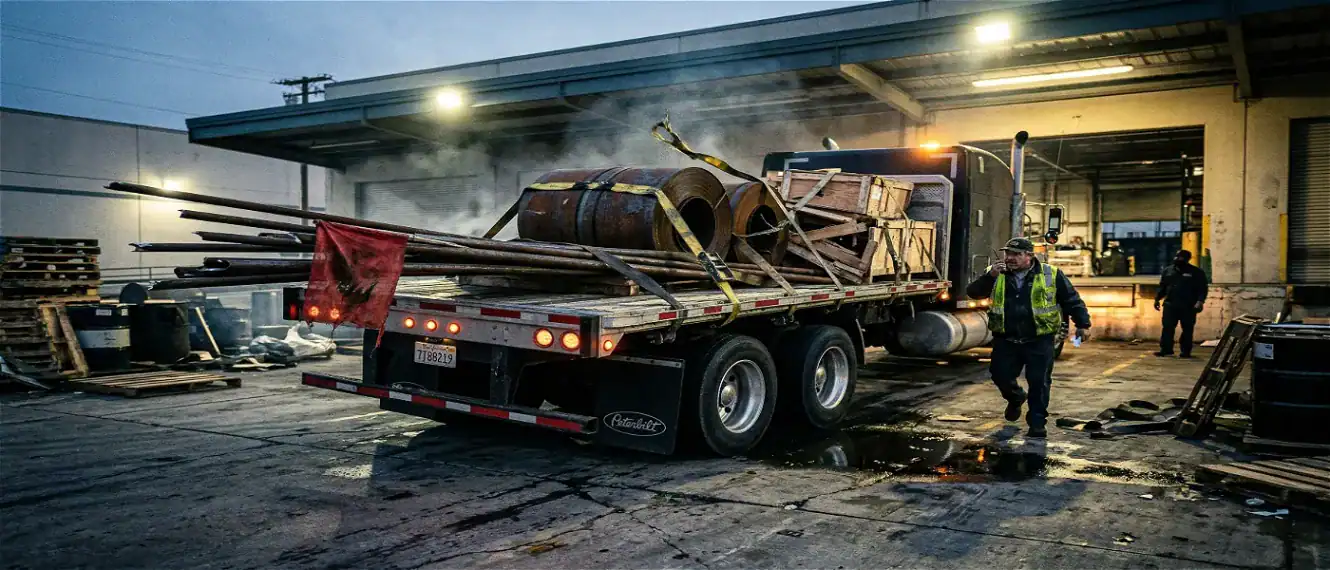
Cargo Loading Violations That Lead to Truck Accidents
Trucks carrying improperly loaded cargo are a real menace out on the highways. When cargo exceeds weight limits, shifts during transport, or isn’t properly restrained, trucks can roll over, jackknife, or just plain lose control. Often, these violations don’t get noticed until something goes wrong—and by then, people may be left with severe injuries or worse.
Federal regulations spell out how cargo should be loaded, secured, and spread out across a truck’s axles. Trucking companies, drivers, and loading crews all have skin in the game here. If anyone decides to cut corners—maybe to save a little time or cash—it can spell disaster for everyone else on the road.
Let’s dig into how these violations happen, the kinds of mistakes that get made, and who’s actually on the hook when something goes sideways because of negligent loading.
Understanding Cargo Loading Violations
Cargo loading violations pop up when commercial trucks don’t meet federal standards for securing or distributing freight. It’s not just a technicality—these mistakes can lead to thousands of accidents every year. Sometimes it’s as simple as a loose strap, other times it’s a more complicated weight distribution problem that throws the whole truck off balance.
Definition of Cargo Loading Violations
Cargo loading violations basically mean someone didn’t follow the rules about how freight should be loaded, secured, or distributed. The Federal Motor Carrier Safety Administration (FMCSA) lays out the specifics, and they’re not exactly suggestions.
A violation could be cargo that’s not tied down right, weight that’s over the legal limit, or freight that’s stacked unevenly. Forgetting to inspect the load before or during the trip also counts. Any of these can make a truck more likely to lose its load, roll over, or end up blocking half the highway.
These rules apply to all commercial vehicles running interstate. Sometimes it’s bad equipment, sometimes it’s sloppy loading, and sometimes it’s just skipping the inspection checklist.
Types of Cargo Loading Errors
Improper securement is when drivers don’t use enough tie-downs, chains, or straps. The cargo can slide or tip during normal driving—or worse, if there’s a sudden swerve.
Overloading means the truck’s carrying more than it should, either by law or by what the vehicle can handle. That messes with braking and control.
Unbalanced weight distribution comes up when cargo is loaded too much on one side or all at the back. That’s a recipe for trouble if the driver has to turn or change lanes.
Inadequate blocking and bracing lets cargo move around inside the trailer. Things shift, and suddenly the truck’s handling like a shopping cart with a wobbly wheel.
Missing or damaged equipment—think broken straps or worn tie-downs—means the cargo just isn’t as secure as it needs to be.
FMCSA Regulations on Cargo Securement
The FMCSA says cargo has to be secured so it won’t move during transit. Trucks need enough tie-downs to handle the forces of speeding up, braking, or turning.
Drivers are supposed to do a pre-trip check to make sure everything’s tight. Then they’re supposed to stop and re-check within the first 50 miles, and again every 150 miles or three hours after that.
There are rules for how strong the tie-downs need to be, depending on how much the cargo weighs. They need to be placed so nothing slides, tips, or falls off.
Different types of cargo—logs, metal coils, heavy equipment—have their own rules. The FMCSA enforces these through roadside inspections and, if someone’s caught cutting corners, fines.
How Cargo Loading Violations Cause Truck Accidents
Cargo loading violations set up all kinds of dangerous scenarios. When cargo isn’t secure, balanced, or within weight limits, trucks become unpredictable and tough to handle.
Unsecured Cargo and Road Hazards
Unsecured cargo is just waiting to become a problem. If it’s not tied down right, it can fall off mid-trip. That turns into a hazard for everyone else—nobody expects a lawnmower or a pallet of bricks to come flying at them on the highway.
Flatbeds are especially risky if there’s not enough blocking and bracing. Even a single item falling can cause a pileup.
Cargo nets that don’t fully cover the load let smaller stuff escape at high speeds. Even something light can shatter a windshield or make a driver swerve. Old, frayed straps can snap under pressure and dump the whole load with no warning.
Uneven Weight Distribution and Vehicle Instability
If the cargo’s loaded unevenly, trucks get wobbly. Stack too much on one side or pile it up high, and the truck’s balance goes out the window. That’s especially sketchy during turns or sudden lane changes.
A high center of gravity makes rollovers way more likely. Take a turn too fast, and the truck could tip right over.
Cargo stacked near the trailer’s edge makes things worse. The weight pulls the truck off balance, and if it starts tipping, the driver’s pretty much along for the ride.
Overloading and Brake Failure
Overloading pushes the truck’s brakes past their limits. They’re designed for a certain weight—go over that, and they can’t stop the truck as quickly. The extra weight heats up the brakes, wears them down, and can make them fail.
An overloaded truck needs more space to stop, which means less margin for error. If the brakes overheat, they might not work at all.
Tires aren’t immune, either. Too much weight makes blowouts more likely, and nobody wants to be in the next lane when that happens. Axles can bend or break under the strain, too.
Rollover and Catastrophic Truck Accidents
Improperly loaded cargo leads to two big dangers: trucks tipping over and debris hitting the highway. Both are nightmares for anyone nearby.
Rollover Truck Accidents Linked to Cargo Loading
Rollover accidents happen when a truck flips onto its side or roof. Cargo loading mistakes are a big reason why.
If cargo’s stacked too high, the truck’s center of gravity goes up. That makes it much easier to tip over—even on basic turns or highway ramps.
Uneven weight distribution is another culprit. Put heavy stuff on one side, and the truck’s off balance. The driver might not notice until it’s too late.
When cargo isn’t tied down, it can shift during the trip. If it slides during a curve, it can pull the whole truck over. That’s why the regulations are so specific about tie-downs and weight limits.
When a truck rolls, it can block several lanes and cause secondary crashes. Other drivers often can’t stop or swerve in time.
Multi-Vehicle Collisions from Falling Cargo
Cargo falling off a truck is a recipe for chaos. Unsecured items can spill onto the road at full speed.
Drivers behind have to make split-second choices—swerve, brake, hope for the best. That’s how multi-vehicle pileups happen.
Big stuff like lumber or machinery can hit cars directly. Smaller debris can cause people to lose control or blow a tire. Either way, it’s bad news for anyone caught up in it.
Some common incidents:
- Lumber or construction material sliding off flatbeds
- Pallets tumbling out of trailers
- Loads not covered well enough, spilling everywhere
- Cargo doors popping open and dumping contents
Most drivers behind a truck with shifting cargo don’t see the danger until it’s right in front of them.
Legal Standards and Regulatory Compliance
Federal rules lay out exactly how cargo should be loaded and secured. These aren’t vague suggestions—they cover weight limits, securement methods, and inspection routines.
Federal Motor Carrier Safety Administration Guidelines
The FMCSA sets the rules for cargo loading and securement. 49 CFR §393.100-136 is where you’ll find the nitty-gritty: what kind of straps, how many tie-downs, and so on.
Cargo has to be secured to stop it from shifting under normal driving. Securement systems need to handle forces from every direction—forward, backward, sideways. Each cargo type gets its own requirements, depending on weight, shape, and what it’s made of.
49 CFR §390.21 sets the weight limits. The max gross vehicle weight is 80,000 pounds on interstate highways, with lower limits for individual axles.
Drivers have to do pre-trip inspections and re-check the load within the first 50 miles, then every three hours or 150 miles after that.
Common Regulatory Violations
Overloaded trucks are one of the most common violations. Some companies try to dodge weigh stations or fudge the numbers to move more freight.
Improper securement is another big one—using too few tie-downs, not balancing the load, skipping inspections. Top-heavy loads are especially risky when turning or changing lanes.
Missing or incomplete inspection reports are a red flag. Sometimes companies push drivers to skip checks just to stay on schedule. These shortcuts often come to light after a crash.
Determining Liability in Cargo Related Truck Accidents
When cargo loading violations cause a crash, blame doesn’t always stop at the driver. Trucking companies, loading crews, and even equipment manufacturers can all be on the hook if they didn’t follow safety standards.
Truck Driver Responsibility
Drivers have a legal duty to check their cargo—before hitting the road and during the trip. The FMCSA says they have to inspect securement within the first 50 miles, then every three hours or 150 miles after that.
If a driver skips these checks and an accident happens, they can be held liable. They’re supposed to make sure the weight’s right and tie-downs are up to snuff. Even if someone else loaded the cargo, the driver is supposed to catch any obvious problems.
Driver duties include:
- Pre-trip cargo inspections
- Checking weight distribution
- Making sure tie-downs are tight and in the right spots
- Logging inspection results
A truck accident lawyer can pull driver logs and electronic data to see if inspections actually happened.
Role of Trucking Companies
Trucking companies can be liable for what their drivers do, but also for their own actions. They have to train drivers on proper loading and securement.
If a company pressures drivers to skip inspections or ignore weight limits, they can be held directly responsible. They’re supposed to keep securement equipment in good shape, too. Letting straps or chains get worn out is a liability risk.
Experts can dig into whether a company had solid safety policies and training. A history of violations doesn’t help their case. Companies also need to make sure everyone—dispatchers, drivers, loaders—is on the same page about cargo details.
Equipment Manufacturer and Loader Liability
Loading crews and warehouse operators are responsible for how cargo gets placed and secured. They need to follow the industry’s best practices for weight and restraints.
If a tie-down or securement device fails because it was defective, the manufacturer could be liable. This can include product defects or missing safety warnings.
Even with automated loading systems, shippers can’t dodge responsibility. Programming mistakes, sloppy oversight, or poor quality control can all lead to problems. Bills of lading, loading diagrams, and even warehouse video can help show what really happened. Maintenance providers might also be on the hook if they didn’t keep equipment in shape.
Consequences for Victims of Cargo Loading Violations
Victims of cargo loading violations often end up dealing with a lot more than just the initial crash. Property damage, injuries, lost income—it all adds up, and the impact can be long-lasting.
Property Damage and Injuries
Cargo loading violations can wreak havoc on vehicles and property. When cargo shifts or falls from a truck, it might slam into cars on the highway, crushing roofs or shattering windshields. The sheer impact from loose cargo or a wobbly truck is enough to total a passenger car in seconds.
Physical injuries from these kinds of accidents run the gamut—broken bones, spinal cord trauma, brain injuries, and internal organ damage are all too common. Some people end up with permanent disabilities that mean a lifetime of medical care and daily help.
The medical treatment starts right away, with emergency room visits and ambulance rides. Surgeries, long hospital stays, physical therapy, and ongoing rehab often follow. Then there’s the cost of prescriptions and specialized medical equipment—expenses that pile up fast while folks are just trying to heal.
Lost Wages and Financial Impact
Victims of cargo loading accidents often find themselves unable to work during recovery. Their injuries make it impossible to handle job duties, whether that means physical labor or sitting at a desk. That sudden loss of income? It’s a huge source of stress for families.
Medical bills don’t wait, but paychecks do. Rent, utilities, groceries—they all keep coming, even if the money stops. Many families burn through their savings within weeks after a serious truck accident.
Some people never really get their old earning power back. Permanent injuries can mean a career cut short or, in some cases, no return to work at all. Imagine a construction worker with a ruined back or an office worker who can’t focus after a brain injury—those long-term hits to income keep stacking up, sometimes for decades, and they can seriously threaten retirement plans and financial stability.
Investigating and Proving Cargo Loading Violations
Attorneys dig into cargo violations by gathering evidence and calling in experts. They look at inspection records, loading paperwork, and bring in specialists to explain how sloppy cargo handling led to the crash.
Inspection and Evidence Collection
A truck accident lawyer will ask for specific documents to prove loading problems. Bills of lading list the cargo’s weight and contents. Weigh station tickets can show if a truck was overloaded. Shipping manifests reveal how the load was spread out in the trailer.
Key evidence sources include:
- Pre-trip and post-trip inspection reports from drivers
- Loading dock surveillance videos showing how cargo was secured (or not)
- Photos of the crash scene with spilled or shifted freight
- Maintenance logs pointing to past weight-related damage
Attorneys move quickly to get their hands on these records, since trucking companies sometimes aren’t exactly eager to share. GPS data might reveal drivers dodging weigh stations. Black box data can show sudden weight shifts that made the truck unstable right before the crash.
How the warehouse loaded the truck becomes a big deal. Records showing who did the loading, what restraints were used, and any inspection notes can establish the chain of responsibility. Missing paperwork? That’s often a red flag for something fishy.
Expert Testimony in Truck Accident Cases
Expert witnesses break down complicated loading failures so judges and juries can actually understand them. Cargo securement specialists look at tie-downs, weight distribution, and the restraints used. They’ll figure out if the loading job met the federal rules in 49 CFR §393.100-136.
Engineers might recreate how the cargo moved and messed with the truck’s handling, often using computer models to show how things shifted during a hard brake or sharp turn. Their analysis can draw a straight line from bad loading to loss of control.
Accident reconstruction pros combine cargo details with crash mechanics. They might explain how an overloaded truck just couldn’t stop in time. Sometimes, former trucking industry folks will testify about how things are supposed to be done, and where the defendant dropped the ball.
Prevention and Safety Best Practices
Preventing cargo loading violations isn’t rocket science, but it does take solid training and regular inspections. These steps help keep truckers and everyone else on the road safer from the serious risks of poorly loaded cargo.
Proper Loading Procedures and Training
Commercial trucks need careful loading to stay safe. Training programs show workers how to spread weight evenly, putting heavy stuff on the bottom and lighter cargo up top. That’s what keeps the truck stable out on the highway.
Workers have to know how to tie down cargo with the right equipment—straps, chains, ropes, whatever’s needed. The gear should be tight and in good shape to prevent cargo shifts. Training covers load limits too, so nobody’s tempted to push the truck over its max weight.
Companies really should offer hands-on training, not just classroom stuff. Real-world practice helps workers learn how different cargo types need different securement. Refresher courses now and then? Not a bad idea, since standards and rules can change.
Regular Inspections and Maintenance
Truck drivers have to check cargo securement before hitting the road and then again at set intervals along the way. Federal rules say you need to inspect every 3 hours or 150 miles—whichever comes first. There’s also that first check at 50 miles out, plus at the start of each new driving shift.
During these inspections, you’re looking to make sure the restraints are still snug and nothing’s shifted around. Drivers look for stress signs on the trailer—bulging, cracks, or any weird damage that might hint at a bad load. Tie-downs and straps get a close look too, just in case there’s fraying or obvious wear that could set up a failure.
Trucking companies are supposed to stay on top of maintenance and swap out any worn securement gear as soon as possible. Staying proactive helps avoid the kind of mechanical issues that can lead to accidents. And yeah, keeping records of all these checks is important—it shows you’re following safety standards.