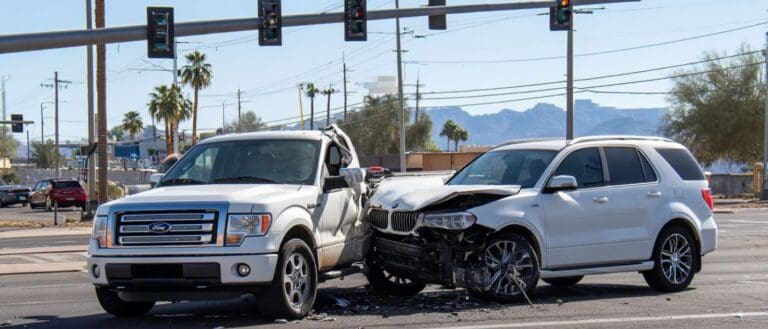
Dealing with Uninsured Motorists in Arizona
Getting hit by a driver without insurance can leave you stuck with medical bills, car repairs, and lost wages, with no obvious way to get your money back. Around 12 percent of Arizona drivers are out there with no insurance—so, unfortunately, this risk is real every time you drive. Arizona law says you have to carry liability insurance, but when an uninsured motorist causes a crash, victims need to know their options for getting compensated—whether that’s through their own insurance or by taking legal action.
Most Arizona drivers don’t realize that uninsured motorist coverage isn’t automatic. Your insurance company has to offer it, but you can reject it in writing. If you do, and you get hit by an uninsured driver, you could be left paying thousands out of your own pocket.
This guide breaks down Arizona’s insurance requirements, how uninsured and underinsured motorist coverage actually works, and what to do after an accident. You’ll find info on the claims process, deadlines, and a few ways to protect yourself from getting stuck with the bill because someone else didn’t bother to get insurance.
Arizona’s Uninsured Motorist Problem
Arizona’s got a real problem with uninsured drivers, even though the law says everyone needs liability insurance. Every year, thousands of drivers who play by the rules end up paying for those who don’t.
Uninsured Driver Statistics in Arizona
Arizona’s uninsured driver rate is among the higher ones in the country. The Insurance Research Council says about 12-13% of folks here are driving around without the required insurance. So, roughly one out of every eight drivers you see on the road is taking that chance.
What does that mean for you? If you’re in a car accident with one of these drivers, getting your medical bills and car repairs covered can turn into a real headache. This problem keeps hanging around, despite the state’s minimum liability coverage rules.
Factors Contributing to Uninsured Drivers
Why do so many people skip insurance? For a lot of drivers, premiums are just too expensive—especially if money’s tight or their driving record isn’t great. Some let their policies lapse because they can’t keep up with payments.
There are out-of-state or international drivers who come into Arizona without realizing they’re not covered. And then there are those who just figure the odds of getting caught are low, so why bother? Realistically, enforcement isn’t perfect, so plenty slip through the cracks.
Some people honestly think they’re covered, not realizing their policy’s been cancelled or expired. Others buy insurance just long enough to register a car, then drop it to save cash.
Impact on Responsible Policyholders
If you’re someone who always keeps your insurance up to date, you’re basically subsidizing the risk for everyone who doesn’t. Insurance companies spread out the cost, so premiums go up for everyone.
Crashes involving uninsured drivers are a mess for victims. Even if it’s clearly the other driver’s fault, actually getting paid back can be tough. That’s why so many people end up relying on their own policies.
And let’s be honest, the whole insurance market in Arizona feels the impact. More uninsured drivers means higher rates across the board, and that just makes it harder for everyone to afford coverage.
Legal Requirements for Car Insurance in Arizona
Arizona says every driver needs liability insurance or proof of financial responsibility before driving on public roads. There are specific minimums, and the state doesn’t mess around with penalties for skipping out on them.
Mandatory Liability Insurance Limits
Arizona’s minimums are 25/50/15. That’s $25,000 for bodily injury per person, $50,000 total per accident, and $15,000 for property damage. The first number is for injuries to one person, the second for everyone hurt, and the third covers property or vehicle damage.
Most people meet the state’s requirement by getting a standard policy with those limits. It protects others if you cause a crash—but it doesn’t cover your own injuries or car.
Penalties for Driving Without Insurance
Get caught without insurance in Arizona, and you could lose your license and registration for up to a year.
There’s a civil penalty fee, too. The DMV can fine you and will want to see proof of insurance before you get your license back. You’ll probably have to file an SR-22 as well.
Cops can ask for proof of insurance at any stop. If you can’t show it, you’ll get a citation and face suspension.
Role of the Insurance Information Institute
The Insurance Information Institute is a resource for learning about car insurance requirements and consumer rights. They’ve got data and guides to help Arizona drivers figure out their coverage options and what’s required.
You can find info about liability insurance, uninsured motorist protection, and state-specific rules through their resources. Knowing the basics helps you avoid legal trouble and make smarter choices about your coverage.
Understanding Uninsured and Underinsured Motorist Coverage
There are two main types of coverage that help when you’re hit by someone with little or no insurance. Uninsured motorist coverage kicks in when the other driver has no insurance at all. Underinsured motorist coverage helps if their policy isn’t enough to cover all your damages.
What Uninsured Motorist Coverage Protects
Uninsured motorist coverage pays if a driver with no insurance hits you. It covers medical bills, lost wages, and pain and suffering you’d otherwise have to pay for yourself.
It also applies to hit-and-run accidents. If the other driver takes off and can’t be found, your insurance treats it like an uninsured driver situation.
It covers things like:
- Medical expenses for you and your passengers
- Lost income if you can’t work
- Pain and suffering
- (In some states) property damage
Without this, you’re stuck paying out of pocket. Even if you have health insurance, you’ll probably still have deductibles and co-pays that uninsured motorist coverage would handle.
Key Features of Underinsured Motorist Coverage
Underinsured motorist coverage is there when the at-fault driver has insurance, but not enough. Lots of people carry just the minimum, which often isn’t nearly enough for a serious crash.
This coverage pays the gap between what the other driver’s policy covers and what you actually need. Say your medical bills are $75,000 and the other driver’s policy only covers $25,000—your underinsured motorist coverage would pay the remaining $50,000.
It helps with:
- Medical costs above the other driver’s limits
- Extended rehab or therapy
- Lost wages if you’re out of work for a while
- Car repair costs that go beyond basic coverage
Comparing UM vs. UIM Coverage
Uninsured and underinsured motorist coverage work together, but they’re for different situations.
Uninsured motorist coverage is for when:
- The other driver has zero insurance
- It’s a hit-and-run and the driver can’t be found
- The at-fault party just doesn’t have a liability policy
Underinsured motorist coverage is for when:
- The other driver has insurance, but not enough
- Their policy maxes out before your bills are paid
- State minimums aren’t enough for your damages
Some states require both, or at least that insurers offer them. Sometimes they’re bundled together, sometimes they’re separate—depends on the insurer.
What to Do After an Accident With an Uninsured Driver
If you’re in a crash with an uninsured driver, you’ve got to move fast to protect yourself. Make sure you document everything, report the accident properly, and know how to file claims with your own insurance.
Immediate Steps at the Accident Scene
First, check if anyone’s hurt and call 911. Get the police there—a police report is crucial for documenting what happened and whether the other driver’s insured.
Swap info with the other driver: names, phone numbers, addresses, car details. Even if they say they don’t have insurance, ask for their license, plate number, and (if they’ll give it) insurance info. Get contact info from any witnesses, too.
Snap photos of both cars, all the damage, license plates, the accident scene, and anything else that might matter—skid marks, road conditions, you name it.
Don’t take cash or agree to settle things on the spot. Some uninsured drivers will try to pay you off to avoid getting cops involved, but that’ll just make your insurance claim harder later.
Reporting to Authorities and Insurers
Call your insurance company ASAP. You need to report the accident quickly to get the claims process moving. Your insurer will open an uninsured motorist claim and assign an adjuster.
Give them the police report, photos, witness info—anything they ask for. They’ll want to confirm the other driver was at fault and really didn’t have insurance.
Be upfront with your adjuster and send in any paperwork they need as soon as you can.
Handling Medical and Property Damage Claims
Uninsured motorist bodily injury coverage pays for medical bills, lost wages, and pain and suffering for you and your passengers. There’s usually no deductible, and your coverage limit is whatever you picked when you bought your policy.
Keep all your medical records, bills, doctor notes, prescriptions, and proof of any work you missed. If you’re out of work, get your employer to put it in writing.
For car repairs, if you have collision coverage, it’ll help pay for the damage (minus your deductible). Some states offer uninsured motorist property damage coverage, but it might not cover everything and usually comes with a deductible.
If you don’t have uninsured motorist coverage, your health insurance might cover medical costs, but you’re out of luck for lost wages or car repairs. Suing the at-fault driver is an option, but honestly, if they don’t have insurance, they probably don’t have much to go after.
The Process for Filing Uninsured and Underinsured Motorist Claims
Filing a claim under uninsured or underinsured motorist coverage isn’t automatic—you have to follow some steps and gather paperwork. Arizona law sets deadlines and procedures you’ll need to stick to if you want your insurance company to pay out.
Initiating a UM/UIM Claim in Arizona
You’ve got three years from the accident date to notify your insurance company about an uninsured or underinsured motorist claim. That clock starts when you know (or should know) the other driver doesn’t have enough insurance.
Before you file with your own insurer, you’re supposed to try to get paid by the at-fault driver’s insurance. That means filing a claim or even starting legal action within the required time. The law wants you to exhaust those options first.
Once you know the other driver is uninsured or underinsured, contact your insurance company right away. The sooner you get started, the better. They’ll tell you what forms and info they need.
Documentation and Evidence Requirements
You’ll need solid documentation to back up your claim.
What you’ll want to have:
- The police report with the other driver’s info
- Photos of the damage and the scene
- Medical records and bills
- Proof of lost wages from work (get it in writing)
- Estimates or bills for car repairs
- Witness statements and contact info
- Proof that the other driver didn’t have insurance
Hang onto copies of everything—emails, letters, phone call notes. You want a paper trail. Also, your medical records need to show your injuries are from this accident, not something else.
Working With Your Insurance Company
After you file, your insurance company will investigate. They’ll go over your evidence, check the facts, and figure out if the other driver really didn’t have insurance (or enough of it).
They might ask for more info—get it to them quickly to avoid delays. If things aren’t settled after two years, the insurer has to send you written notice reminding you to request arbitration or file a lawsuit.
You have three years from when you first notified them to start arbitration or litigation if you can’t reach a settlement. Adjusters might make settlement offers during this time. You can accept, negotiate, or reject them, depending on what you think is fair and what your policy covers.
Challenges in Recovering Compensation
Getting paid after a crash with an uninsured or underinsured driver? It’s rarely straightforward. Insurance companies might argue about what happened, the at-fault driver may have nothing to give, and hit-and-run cases just make things messier.
Disputed Claims and Delays
Insurance companies are notorious for challenging UM/UIM claims, even when people have dutifully paid their premiums. They’ll sometimes question the details of the crash or downplay the seriousness of injuries. Adjusters might ask for more medical records, request recorded statements, or insist on extra proof before they’ll even think about paying.
Treatment gaps are a favorite excuse for denial. If you wait too long between doctor visits, expect the insurer to argue your injuries aren’t from the accident. They’ll also dispute fault if the evidence is murky or there’s no police report to back you up.
Common delay tactics include:
- Asking for the same paperwork over and over
- Scheduling independent medical exams to poke holes in your injury claims
- Pointing to technical policy violations to reduce or deny payment
- Taking ages to respond to anything you submit
These delays drag on. Meanwhile, the bills pile up and you’re left waiting for help from the very company you paid to protect you.
When the At-Fault Driver Has No Assets
When an uninsured driver causes a crash, chances are slim you’ll ever see a dime from them. You could win a lawsuit, sure, but if they don’t have property, savings, or steady wages, collecting is basically a lost cause.
Trying to garnish a paycheck might get you a trickle of money over years—hardly worth it. Realistically, UM coverage is often the only shot at being made whole.
If you don’t have enough UM coverage, your choices shrink fast. You can sue and win, but it probably won’t mean much in the end.
Hit-and-Run Accidents Involving Uninsured Motorists
Hit-and-run crashes fall under uninsured motorist coverage, but insurers don’t make these claims easy. In Arizona, you have to report the incident to police within 24 hours or risk losing your claim entirely.
Insurance companies want proof the hit-and-run actually happened. They’ll ask for witness statements, surveillance footage, or physical evidence like paint transfers. If you can’t back up your story, there’s a good chance your claim gets denied outright.
Key requirements for hit-and-run UM claims:
- Police report filed within 24 hours
- Physical evidence showing another vehicle was involved
- Witnesses or video footage, if you can get it
- Promptly telling your insurance company
Sometimes insurers accuse people of staging accidents or exaggerating what happened. They tend to dig deeper into hit-and-run claims because—let’s face it—fraud is a bigger concern when there’s no other driver around to contradict the story.
Preventive Steps and Policy Recommendations for Arizona Drivers
Making smart insurance choices now can save Arizona drivers a world of financial trouble if they’re in a crash with someone who’s uninsured or underinsured. Take a hard look at your policy limits and know when it’s time to call in legal help.
Choosing Adequate Uninsured and Underinsured Motorist Coverage
Arizona law says you have to carry liability insurance, but plenty of drivers just don’t bother. Uninsured motorist coverage steps in when the other driver has no insurance. Underinsured motorist coverage helps when their insurance isn’t enough.
These coverages aren’t usually expensive, but they can make a massive difference. They’ll cover medical bills, lost wages, and other damages the at-fault driver can’t pay.
A lot of drivers out there only carry the bare minimum, which just doesn’t cut it after a serious crash.
Skip this coverage, and you could be stuck paying for your own injuries and car repairs. The insurance company will only pay up to your chosen limits, so those numbers matter.
Adjusting Policy Limits for Maximum Protection
State minimums are, honestly, pretty bare bones. If you haven’t looked at your coverage limits in a while, it’s worth comparing them to what a bad accident could cost you.
Medical bills from a serious injury can blow past basic coverage in no time. Fixing a newer car isn’t cheap either. And if you’re out of work for a while? That’s another hit.
When you’re setting limits, consider:
- How much you have in savings or assets
- The kind of car you drive and what it’d take to replace it
- Whether you regularly drive family or friends
- How much and how far you drive
Higher limits mean a higher premium, but, honestly, the extra cost is usually small compared to what you could lose out of pocket after a crash with someone who’s underinsured. It’s smart to get quotes for different levels and see what you’re comfortable with.
Benefits of Consulting With an Attorney
Sometimes, you just need backup. If your claim gets complicated or the insurance company starts playing games, an attorney can dig through the policy fine print and spot coverage options you might miss.
Adjusters work for the insurance company, not you. They’ll sometimes push for a quick, low settlement. Attorneys know Arizona’s three-year notification rule for underinsured claims and all those other deadlines that can trip people up.
If your injuries are serious or figuring out who’s at fault is messy, having a lawyer makes a difference. They’ll handle negotiations, paperwork, and keep things on track. Plus, they get how subrogation and overlapping coverages work after a crash.
Statutes of Limitations and Claim Deadlines in Arizona
Arizona law is strict about deadlines for filing UM and UIM claims. Miss these, and you might lose your shot at compensation, no matter how solid your case is.
Reporting Timelines for UM/UIM Claims
You’ve got three years from the accident date to give written notice to your insurance company if you’re filing for uninsured or underinsured motorist coverage. That notice has to say you plan to pursue a UM/UIM claim.
For UM claims, sometimes the clock starts later—like if you only find out later that the at-fault driver was uninsured, their insurer denies coverage, or their insurer goes belly-up.
Underinsured claims have another wrinkle. You need to file a claim with the at-fault driver’s insurer or sue them within two years of the crash. Then, you’ve got three years from when you learn their insurance isn’t enough to cover your injuries to make a UIM claim.
A lot of policies have their own internal deadlines, and they can be shorter than Arizona’s statutory limits. Some want you to report within a year.
Legal Deadlines for Lawsuits
If you can’t settle, you’ll have to request arbitration or file a lawsuit within three years of giving written notice to the insurance company. The insurer is supposed to remind you of this deadline within two years of your initial claim.
Arizona’s general personal injury statute of limitations is two years from the accident date—that’s the window for suing the at-fault driver.
Consequences of Missing Deadlines
Miss a deadline, and you’re out of luck—no uninsured or underinsured motorist benefits, no exceptions. Courts won’t even consider late cases, regardless of how valid the claim might seem. Once those statutory periods run out, insurance companies just shrug; they’re off the hook entirely.