Jackknife Truck Accidents on Arizona Highways
Arizona highways see thousands of large truck accidents every year, and jackknife crashes rank among the most dangerous. These incidents happen when a truck’s trailer swings out to form a sharp angle with the cab, often blocking multiple lanes and causing serious collisions. The mix of high speeds, heavy traffic on routes like I-10 and I-40, and Arizona’s unpredictable weather all make jackknife accidents a real threat here.
A jackknife truck accident occurs when sudden braking, mechanical failure, or loss of control causes the trailer to skid sideways while the cab continues forward, creating a hazard that can involve multiple vehicles and result in severe injuries or fatalities. Knowing what causes these crashes—and who’s on the hook—matters for anyone hurt in one, and honestly, for anyone who spends time on the road.
We’ll get into how jackknife accidents happen, what makes them so common in Arizona, and what steps drivers can take to avoid them. There’s also practical info on what to do right after a jackknife crash, how liability is sorted out, and how to pursue compensation if negligence was involved.
What Is a Jackknife Truck Accident?
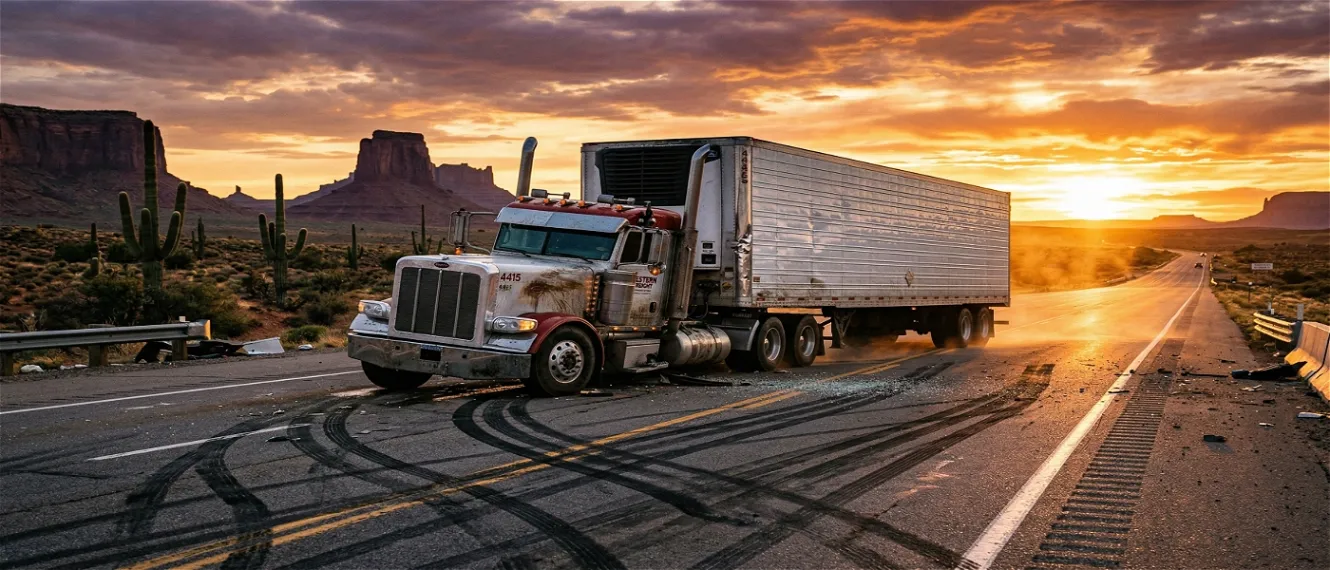
A jackknife truck accident happens when a large truck’s trailer swings out to the side and forms a sharp angle with the cab. When this happens, the truck can block several lanes and put everyone nearby at serious risk.
Definition and Mechanics of Jackknifing
The term “jackknife” comes from the way a folding pocket knife closes. The cab and trailer fold at the hitch, sometimes making a 90-degree angle—or even tighter.
This all goes down when the trailer loses traction but the cab keeps moving. The trailer swings out, pivoting at the hitch, and at that point, drivers usually can’t do much to regain control.
The mechanics of jackknifing are all about the disconnect between the cab and the trailer. The cab has power and steering, but the trailer’s just along for the ride, with its own momentum and weight. When they stop moving together, the trailer can whip out to the side—fast.
Common Types of Vehicles Involved
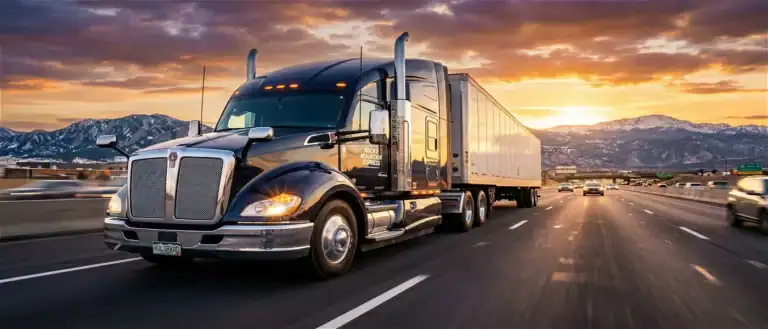
It’s mostly semi-trucks and their trailers that get into jackknife accidents. These rigs have a cab pulling a separate trailer, connected by a hitch. That pivot point is the weak link.
Commercial vehicles at risk include:
- 18-wheelers hauling cargo
- Tanker trucks carrying liquids
- Flatbed trucks with equipment
- Refrigerated trailers
Straight trucks, where the cargo area is attached directly to the cab, don’t jackknife because there’s no hinge to swing. It’s the separation in semis that makes them vulnerable.
Frequency on Arizona Highways
Jackknife accidents aren’t rare on Arizona highways. Interstate 10, for example, sees its fair share every year.
Weather plays a big part. Summer monsoons can dump rain in minutes, making roads slick. Winters up north bring ice and snow to mountain passes. These conditions make it way easier for a trailer to lose grip, especially if a driver has to brake hard.
The main corridors—Phoenix, Tucson, Flagstaff—see a ton of truck traffic. Heavy truck volume and unpredictable roads? Not a great combo.
Primary Causes of Jackknife Truck Accidents in Arizona
Jackknife truck accidents on Arizona highways usually come down to a mix of driver actions and whatever the road throws at them. Sudden braking, speeding, and rough conditions all play their part.
Improper Braking Techniques
Improper braking is one of the top causes of jackknife accidents. If a trucker slams the brakes or brakes too suddenly, the trailer can lose traction and swing out.
This gets even riskier when the trailer’s empty or lightly loaded—less weight means the wheels can lock up and skid more easily.
Bad brake maintenance just ups the danger. Worn pads, misaligned systems, or faulty parts make it tough to stop safely. Companies that skip inspections are asking for trouble.
Common braking errors include:
- Slamming brakes in emergencies
- Braking while turning or changing lanes
- Not using engine brakes on steep grades
- Failing to adjust braking for load weight
Speeding and Loss of Control
Speed is a huge factor in jackknife accidents here. When drivers go too fast for the conditions, they have less time to react.
Big trucks need a ton of space to stop—sometimes the length of two football fields at highway speeds. If you’re speeding, that buffer disappears.
Fatigue often goes hand in hand with speeding. Tired drivers might not even notice they’re going too fast, or they might panic and make sudden moves if something happens.
Poor Road and Weather Conditions
Arizona’s weather and roads can be brutal. Rain on dry pavement is slick, especially right after it starts. Dust storms can wipe out visibility in seconds. High winds can push trailers around, and mountain passes mean steep grades and sharp turns.
Winter brings ice and snow up north. Drivers who aren’t used to it might not slow down enough. Black ice on bridges and overpasses? That catches a lot of people off guard.
Additional Contributing Factors
There’s never just one thing that leads to a jackknife accident. Driver habits, maintenance issues, and cargo loading all come into play.
Driver Error and Fatigue
Driver mistakes are a big reason these accidents happen. Speeding, hard braking, or not adjusting for weather can all lead to losing control. A sudden brake on a wet or icy road? That’s a recipe for a jackknife.
Fatigue is another big one. Tired drivers react slower and make worse decisions. They might miss signs of trouble or not notice their truck starting to skid.
Distractions make it worse. Using a phone, eating, or messing with the radio means less attention on the road. That’s when things go sideways—literally.
Mechanical and Equipment Failure
Mechanical issues are a nightmare for truckers. Brakes are especially critical. If anti-lock brakes fail or pads wear out, the truck can’t stop evenly, and the trailer might swing out.
Tires matter, too. Worn tires don’t grip well, especially in rain. A blowout can make a driver lose control instantly.
Skipping maintenance is just asking for problems. Companies that cut corners on inspections or repairs put everyone at risk.
Improper Cargo Loading
How the trailer’s loaded makes a difference. If cargo isn’t spread out evenly, the truck’s center of gravity shifts, making it tough to control during turns or sudden stops.
Overloaded trailers strain the brakes and make stopping harder. If cargo shifts while driving, it can throw off the trailer’s balance and handling.
Loads that aren’t secured can move around, creating unexpected momentum. Following loading guidelines and using proper restraints is key.
Injuries and Human Impact
Jackknife truck accidents can leave people with devastating injuries—some that change lives forever. Victims might face life-altering injuries, from brain and spinal cord trauma to internal damage and burns. The emotional toll can be just as harsh.
Traumatic Brain Injuries and Spinal Cord Damage
Traumatic brain injuries happen when the brain slams against the skull during a crash. The violent motion in a jackknife accident can bruise or tear brain tissue. People might have memory loss, trouble focusing, or personality changes. The worst cases need surgery to relieve pressure.
Spinal cord injuries? Those are brutal. Broken or compressed vertebrae can mean paralysis below the injury. Damage high on the spine can even affect breathing.
Whiplash is also common. The head snaps back and forth, straining soft tissues and nerves. Some folks end up with chronic pain or numbness for months—or longer.
Internal Bleeding and Burn Injuries
Internal bleeding is sneaky and dangerous. Organs like the liver or spleen can be damaged in a crash, but the signs aren’t always obvious right away. If it’s not caught quickly, blood loss can lead to organ failure or worse.
Broken ribs can puncture lungs, causing them to collapse. Compound fractures—where the bone breaks through the skin—increase the risk of infection. Limbs and pelvis bones can shatter under the force of a truck collision.
Burns are another awful risk, especially if a fuel tank ruptures or hazardous cargo spills. People trapped in vehicles might be exposed to flames or toxic chemicals. Third-degree burns destroy skin and tissue, and recovery is long and painful.
Psychological Trauma Following Accidents
Survivors can develop post-traumatic stress disorder. Nightmares, flashbacks, avoiding highways or trucks—it’s a lot. Panic attacks and anxiety can make everyday life tough.
Depression is common, especially for those dealing with permanent injuries or chronic pain. Losing independence hits hard, and some people need therapy or medication for years.
Families of those killed in these crashes face their own struggles—grief, money worries, and emotional fallout. Kids who lose parents? That’s a wound that doesn’t heal easily.
Immediate Actions After a Jackknife Accident
If you’re in a jackknife accident, what you do next matters—a lot. Getting to safety, calling for help, and documenting everything can affect both your recovery and any legal case down the road.
Ensuring Safety and Alerting Emergency Services
The first thing is to get somewhere safe. If you can move, get out of the car and away from traffic—behind a guardrail or onto the shoulder. Flip on hazard lights to warn others.
Call 911 right away. Give them your location and let them know about any injuries. If someone’s trapped or there’s a fuel leak, mention it.
Stick around until police arrive. Leaving early can cause legal headaches later. If it’s safer to stay in your vehicle, keep your seatbelt on and doors locked until help gets there.
Don’t try to direct traffic or approach the jackknifed truck. Let the pros handle it—it’s still dangerous until the scene is under control.
Collecting Witness Statements and Evidence
Witnesses can make a big difference. If someone saw what happened, ask for their contact info—a name, phone number, and a quick note on what they saw.
Take photos from different angles: the vehicles, skid marks, road conditions, traffic signs—whatever tells the story. Get shots of all the damage.
Write down the truck driver’s details: name, license, insurance, plus the trucking company and DOT number from the cab. Note the weather and time.
If you can, shoot a quick video of the scene. Sometimes video captures details that photos miss.
Seeking Medical Attention
Get checked by a doctor even if your injuries seem pretty minor. Some serious problems—like internal bleeding or head trauma—don’t always show up right away. Emergency responders at the scene can help with initial care, but it’s smart to follow up.
Try to get to a hospital or urgent care within 24 hours of the accident. This creates a medical record that links your injuries directly to the crash. If you wait too long, it can be tough to prove the accident caused your injuries.
Stick to the treatment plan and keep records of every medical visit. Hang onto receipts for medications, therapy, and any medical equipment. Tell your doctor about all symptoms, even if it’s just emotional stress or trouble sleeping.
Legal Considerations and Liabilities
Jackknife truck accidents usually involve more than one responsible party, and sorting out liability can get complicated fast. Arizona law lets injured victims pursue compensation through certain legal channels, and knowing how fault gets assigned really matters for your claim.
Determining Fault and Comparative Responsibility
Arizona uses a comparative negligence rule for truck accident cases. Basically, injured folks can recover damages even if they’re partly at fault. The catch? Your compensation gets reduced by your share of the blame.
Say a driver is awarded $100,000 but is found 20% at fault—they’d end up with $80,000. The court figures out these percentages after looking at all the evidence.
Common liable parties include:
- Truck drivers who speed, drive tired, or don’t adjust for weather
- Trucking companies that skip maintenance, skimp on training, or push unsafe schedules
- Cargo loaders if they don’t balance or secure loads properly
- Parts manufacturers if brake failures or tire defects play a role
Investigators dive into driver logs, maintenance records, black box data, and witness statements to sort out fault. It’s not unusual for several parties to share responsibility in jackknife accidents.
Filing Truck Accident Claims
There’s a two-year statute of limitations in Arizona for filing truck accident claims, starting from the accident date. Miss that window and, well, you’re probably out of luck.
The process kicks off by gathering evidence: police reports, medical records, photos from the scene. Victims have to notify all potentially liable parties and their insurance companies.
Trucking companies and insurers usually act fast to limit their exposure. Early settlement offers might look tempting but rarely cover the full scope of damages—future medical care, long-term needs, permanent disability, you name it. It’s easy to underestimate what you’ll actually need.
A solid claim should include medical bills, lost wages, property damage, pain and suffering, and emotional distress. If the worst happens and someone dies, wrongful death claims can add funeral costs and loss of companionship.
Role of Truck Accident Lawyers and Attorneys
A truck accident attorney is crucial for handling the legal complexity that most people just can’t take on themselves. These lawyers dig into crash details, find everyone who might be responsible, and figure out what your claim is really worth.
Truck accident lawyers go toe-to-toe with insurance adjusters who are paid to minimize payouts. They know what’s fair and can spot lowball offers from a mile away. If negotiations stall, they’ll file lawsuits and represent clients in court.
Most work on contingency, so you don’t pay anything upfront and only owe fees if you win. That makes it possible for most accident victims to get legal help, even if money’s tight.
Attorneys also act fast to preserve evidence before it gets “lost” or destroyed. They’ll bring in accident reconstruction experts, dig through trucking regulations, and build cases strong enough to hold the right people accountable.
Prevention Strategies for Jackknife Accidents
Preventing jackknife accidents isn’t just about luck—it takes solid training, the right tech, and staying on top of vehicle maintenance. Drivers and fleet operators who actually focus on these things can cut down the risk of scary incidents on Arizona highways.
Importance of Driver Training and Education
Good driver training is the backbone of jackknife accident prevention. Truck drivers need hands-on instruction for handling big rigs in tough conditions.
Training should cover defensive driving skills tailored to commercial trucks: keeping safe distances, knowing when to slow down for bad roads, and braking without locking up the wheels.
Arizona’s unpredictable weather deserves extra attention. Drivers have to know how to handle sudden rain that turns highways slick. Practical exercises on spotting early trailer swing can make a real difference.
Ongoing education matters too. Refresher courses help drivers keep their skills sharp. Some companies require yearly training to keep everyone up to date.
New drivers, especially, need supervised road time with experienced instructors. Nothing replaces that hands-on practice before hitting the open road solo.
Technological Solutions: Anti-Lock Brakes and Safety Equipment
Anti-lock brakes are a game changer for preventing jackknife accidents. They stop the wheels from locking up during hard braking, which means drivers still have steering control.
Modern trucks with anti-lock brakes can sense when wheels start to skid. The system tweaks brake pressure several times a second, letting the driver steer around hazards even when braking hard.
Other safety gear helps, too:
- Electronic stability control can catch and reduce trailer swing
- Traction control keeps wheels from spinning out on slick roads
- Automatic emergency braking reacts faster than most people can
- Lane departure warnings nudge drivers if they start to drift
Fleet managers should really prioritize trucks with these features. Even older vehicles can sometimes be upgraded with better braking systems. It’s an investment that pays off—fewer accidents, lower insurance, less hassle.
Routine Vehicle Maintenance and Inspection
Staying on top of maintenance is key to avoiding equipment failures that can lead to jackknife accidents. Brake systems, in particular, need frequent checks to make sure they’ll work when you need them most.
Mechanics should look at brake pads, rotors, and fluid levels every time the truck’s in for service. Worn brakes mean less stopping power and a higher risk of jackknifing. Replacement parts should always meet manufacturer specs—no cutting corners.
Tires matter, too. Drivers need enough tread for traction, especially when Arizona roads get wet. If the tires are wearing unevenly, it could signal an alignment issue that affects handling.
Pre-trip inspections are worth the extra few minutes. Drivers should check:
- Brake system parts and connections
- Tire pressure and tread
- Trailer couplings
- Suspension system
Keeping maintenance and inspection records is a good habit. Fleet operators should hang onto detailed logs showing when work was done. Sometimes, patterns in these records point to bigger problems that need fixing.
Compensation and Personal Injury Claims
Victims of jackknife truck accidents in Arizona can seek compensation for a range of damages through personal injury claims. The process can be a hassle, but getting documentation in order and following the right steps really boosts your chances.
Types of Damages Recoverable
Personal injury claims let victims go after both economic and non-economic losses. Economic damages cover medical bills, surgery, rehab, and ongoing treatment. Lost wages and future earnings—if injuries are permanent—are part of the picture, too.
Non-economic damages cover pain and suffering, emotional distress, and the hit to your quality of life. Folks dealing with traumatic brain injuries, spinal cord damage, or severe fractures often get significant compensation here.
Property damage—cars, trucks, personal stuff—counts as well. And in the worst-case scenario, if a loved one dies in a jackknife accident, families have the right to file wrongful death claims for funeral costs, loss of companionship, and lost financial support.
Process of Filing Personal Injury Claims
The claims process kicks off right after the accident. Victims should contact emergency services, get checked out by a doctor, and grab some photos or jot down notes about what happened. It’s important that medical records actually reflect every injury and treatment you’ve had—don’t skip details.
An attorney will dig into evidence, which might mean pulling data from the truck’s black box, talking to witnesses, reviewing police reports, and hunting down any available video footage. All of this helps paint a clear picture of who’s at fault and just how much damage was done.
Usually, the first step is filing a claim with the insurance company. The attorney steps in to handle negotiations, trying to get a settlement that actually makes sense. Sometimes, though, talks stall out and the case heads to court. Arizona law has pretty strict deadlines for personal injury claims, so waiting too long isn’t really an option.